
The capital of Argentina is a dynamic metropolitan city with a population of over 15 million people. Aside from the obvious must-dos like eating steak, drinking wine, and attending a tango show, the city is home to so much more. Here is a list of some of the less well-known must-dos, organized by neighborhood, that I recommend you not to miss.
San Nicolás & Montserrat (City Center)
The city center of Buenos Aires is where you will find Buenos Aires’ financial, political, and business districts and is commonly referred to as “downtown.” In the middle of the widest avenue in the world, you can view the historical landmark known as The Obelisco. The obelisco is where many political protests and celebrations are held.


Two blocks from the Obelisco on Avenue Corrientes there is the famous Pizzeria Guerrin. This casual pizza restaurant is often hectic and busy, but it’s worth it. You have a variety of seating options including outdoor dining, standing at the bar counter, family table-style seating, and regular full-service tables. I recommend going at an off time, around 3-4pm, so it’s less chaotic.

Just a few minutes on foot from Pizzeria Guerrin is the Teatro Colón which has been beautifully restored. Without a prebooked tour, or tickets to a show, you can’t go inside, but since you’re already so close by it’s worth stopping by to view the outside from the park across the street. If you plan ahead, you can score affordable tickets to the theater here.
12 blocks east of Teatro Colón is where Puerto Madero and The Costanera Sur Ecological Reserve are located. Puerto Madero is a beautiful area with a range of options for dining from food trucks with local cuisine to high-end steak houses boasting large waterfront patios. Nearby many trails loop through the ecological reserve, a well-maintained, free park, that is lovely for a walk or a picnic and is closed on Mondays.


Not far away is the Plaza de Mayo which is surrounded by several historical and government buildings including Casa Rosada, which was the official workplace of the Argentine president. There is a museum here that is free to enter and worth passing through.
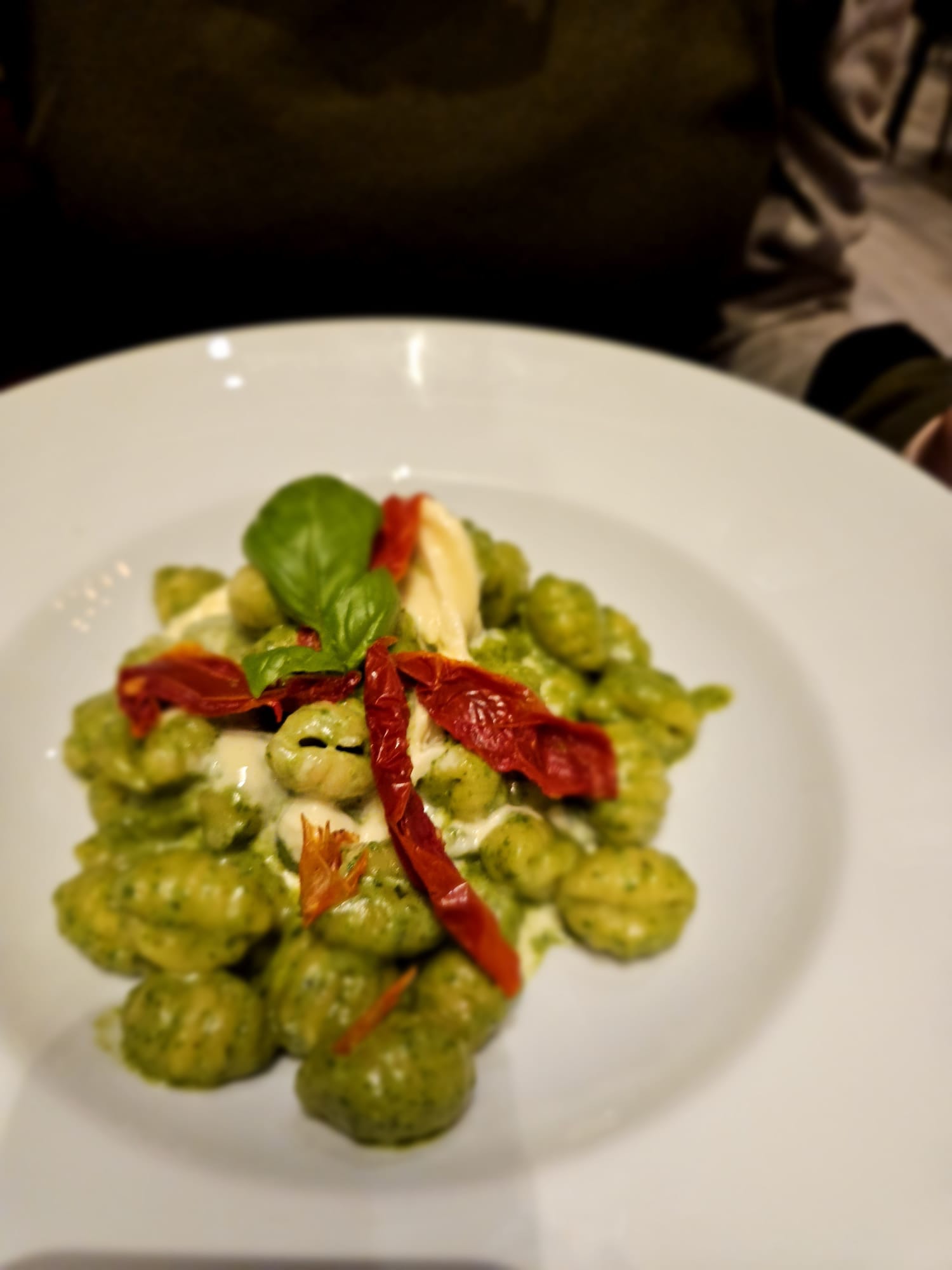


Argentina has a strong Italian influence, which means there is a plethora of great Italian restaurants peppered into the city. One of my favorite restaurants I enjoyed in the capital was D’Oro Italian Bar. They are open for lunch and dinner, serving up really amazing, fresh, Italian food. The portions are large, the service is great, and they have bar counter seating which is rare in Argentina, but a nice treat when you’re dining alone like I often was.
La Boca Neighborhood
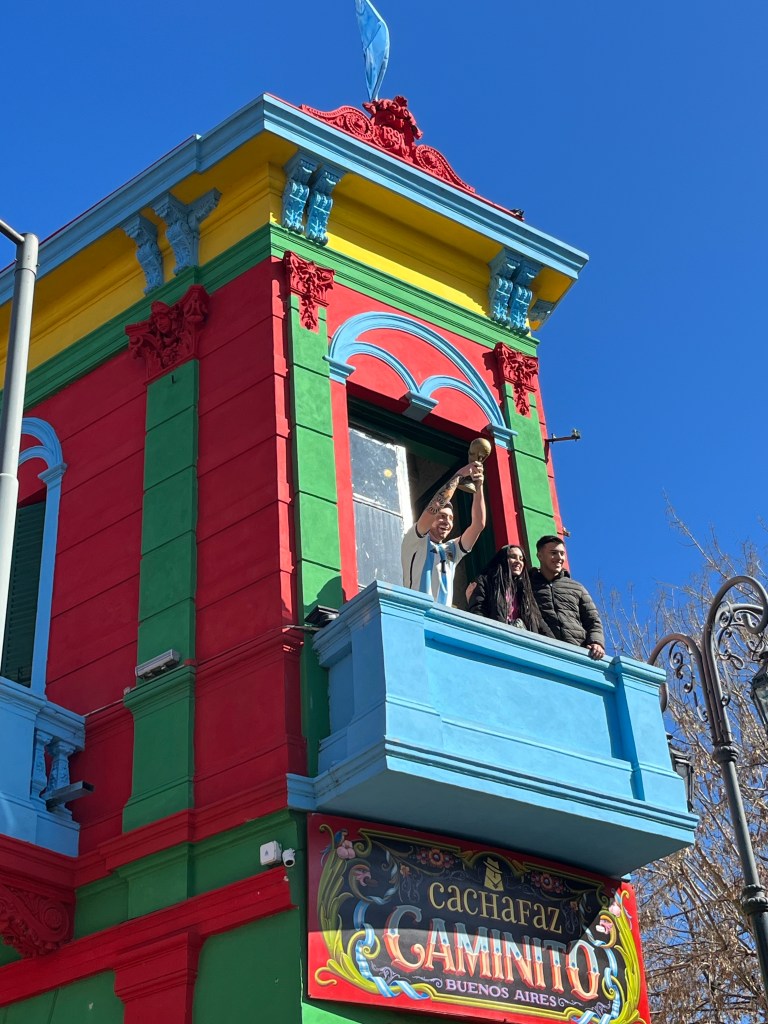
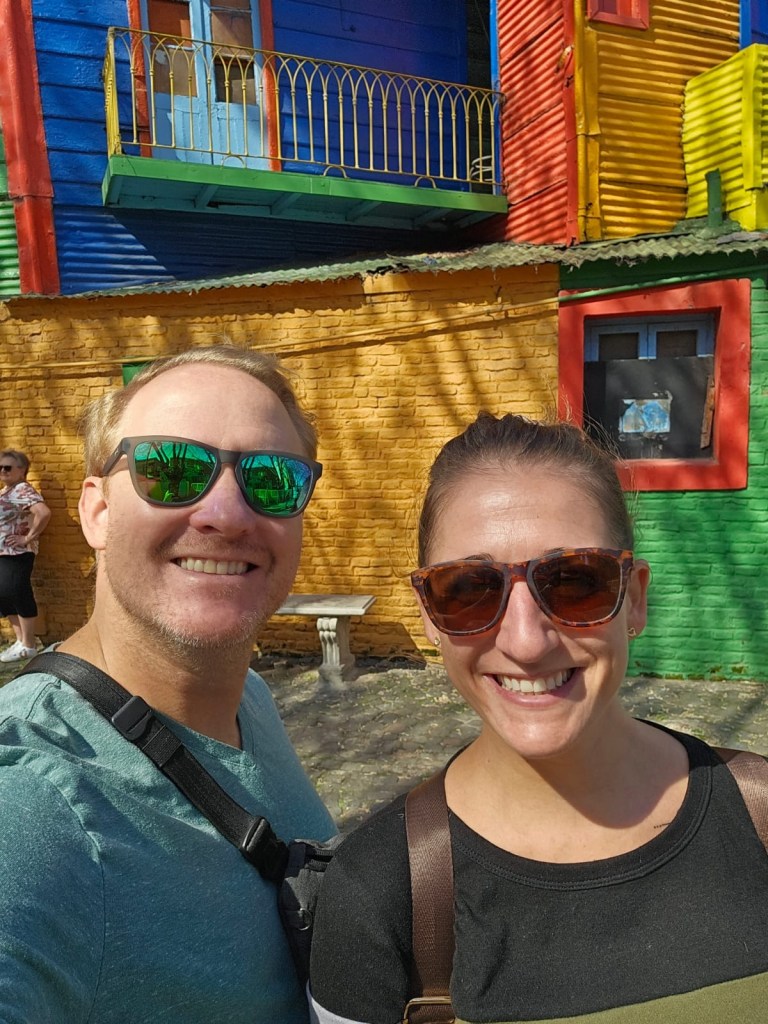
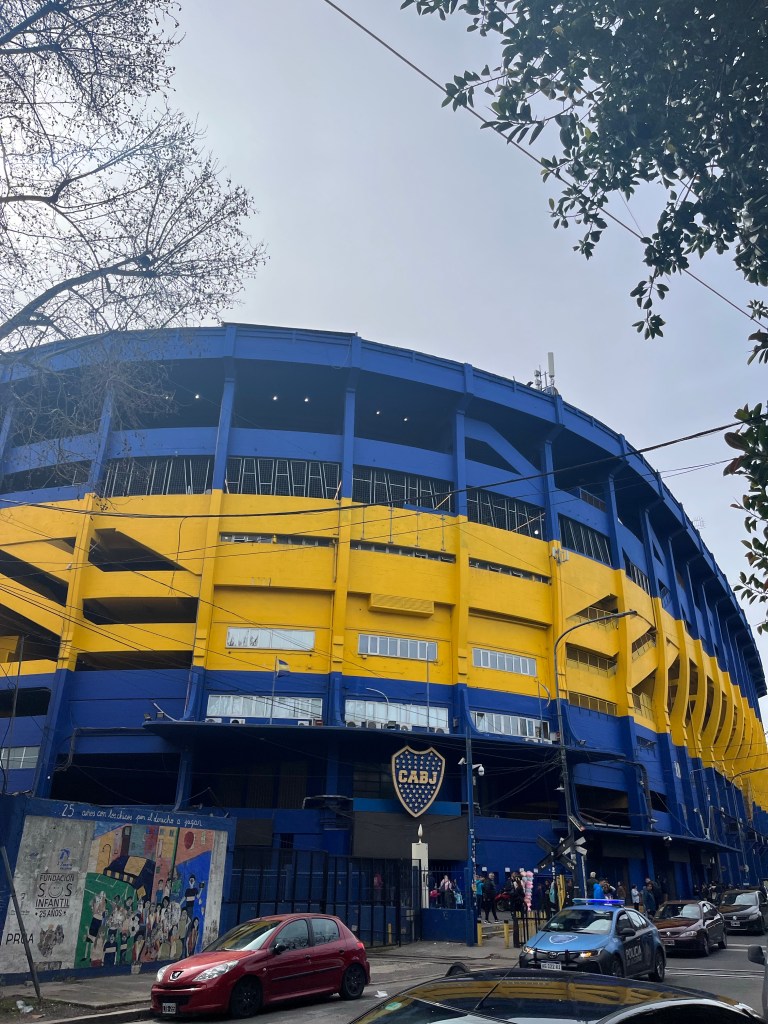
La Boca is the original neighborhood that Europeans arrived at when they immigrated to Buenos Aires during the 19th and early 20th centuries. This colorful neighborhood is full of life and interesting history. I highly recommend doing the paid walking tour of La Boca. At the time of writing it was $10 USD or $11k pesos, but keep in mind the peso cost is frequently changing. This was my favorite walking tour I did in all of the city, in this two-hour tour you learn a lot about the history of Buenos Aires, I enjoyed it so much I even joined the tour a second time when I had a visitor.
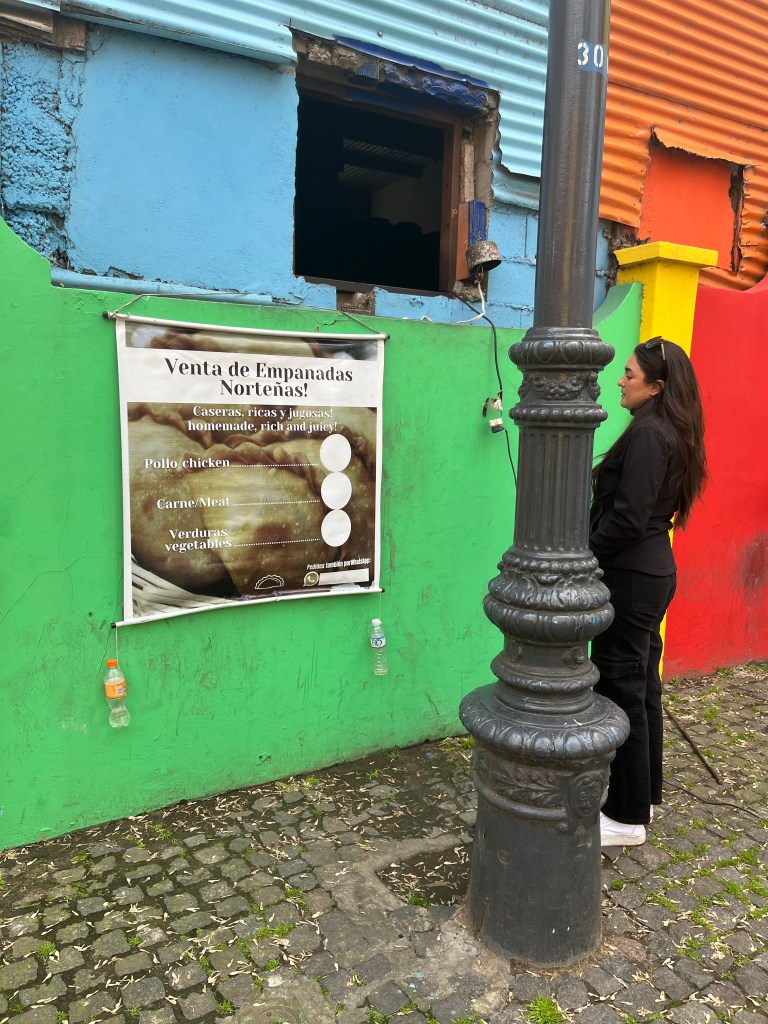
NOTE- La Boca is considered safe in the daytime, but not after sundown, and even during the day it is recommended that you should only stay in the busy tourist area.

Recoleta & Retiro Neighborhoods
This region of Buenos Aires is another one that I suggest exploring by joining the free walk tour that is held every Monday to Saturday. This tour is 3 hours long so dress comfortably and be ready to take in a lot of information. If your schedule allows it, I suggest doing this tour on a Saturday, because it ends right in front of the Fiera de Recoleta, a quirky weekend craft fair where vendors sell a variety of local goods.


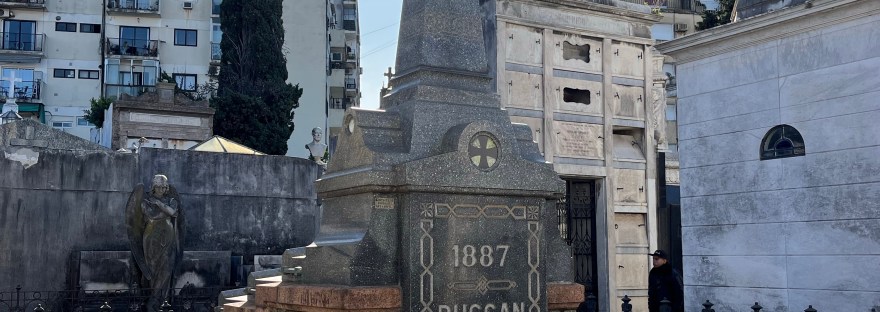
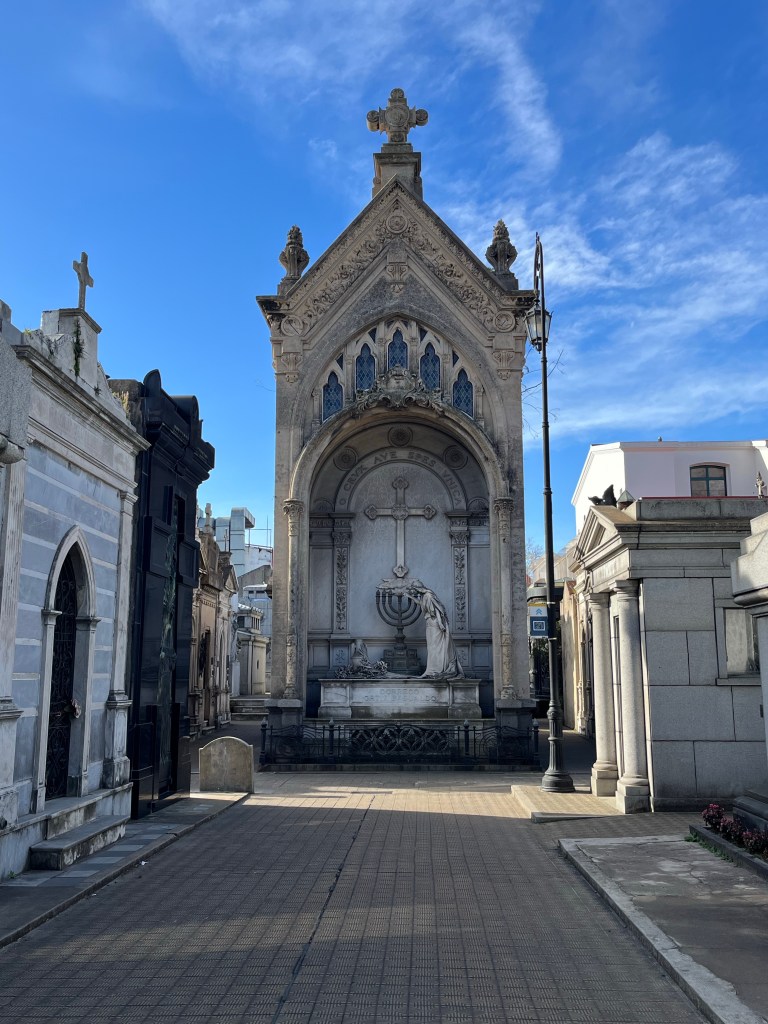
While you’re in the area you should not miss visiting the Recoleta Cemetery. Reservations are not required and entrance is paid with debit or credit card. There are tour options here, but personally, I didn’t find it necessary to take the tour to enjoy strolling through the cemetery. In 2013 CNN listed the Recoleta Cemetery in the 10 most beautiful cemeteries in the world, which comes as no surprise to anyone who has been to visit it.


A few doors down from the cemetery entrance is the Centro Cultura Recoletta. The Cultural Center is free to visit, hosting 27 exhibition rooms, a microcinema, an amphitheater, and an auditorium. The center is home to various activities including frequently changing art exhibits, concerts, theatrical performances, workshops, and trainings. You can check their website to see what events may be of interest to you; when we visited we enjoyed a free concert inside the venue that was really fun.
San Telmo Neighborhood
San Telmo is home to two famous markets, the indoor San Telmo market which is open Tuesday through Sunday, and the outdoor Feria de San Telmo which runs only on Sundays from 10am-6pm. The Sunday Feria is the biggest street bizarre I’ve ever seen, running over 12 city blocks, and is without a doubt the best way to spend a Sunday in the city.
Although it sounds tempting to visit them both on a Sunday, the indoor market is wildly busy on Sundays due to the street fair, so I recommend visiting the indoor market on a different day if you have the flexibility in your schedule. In both of these areas (and much of the city in general) take extra precautions to be aware of your surroundings and protect your valuables.
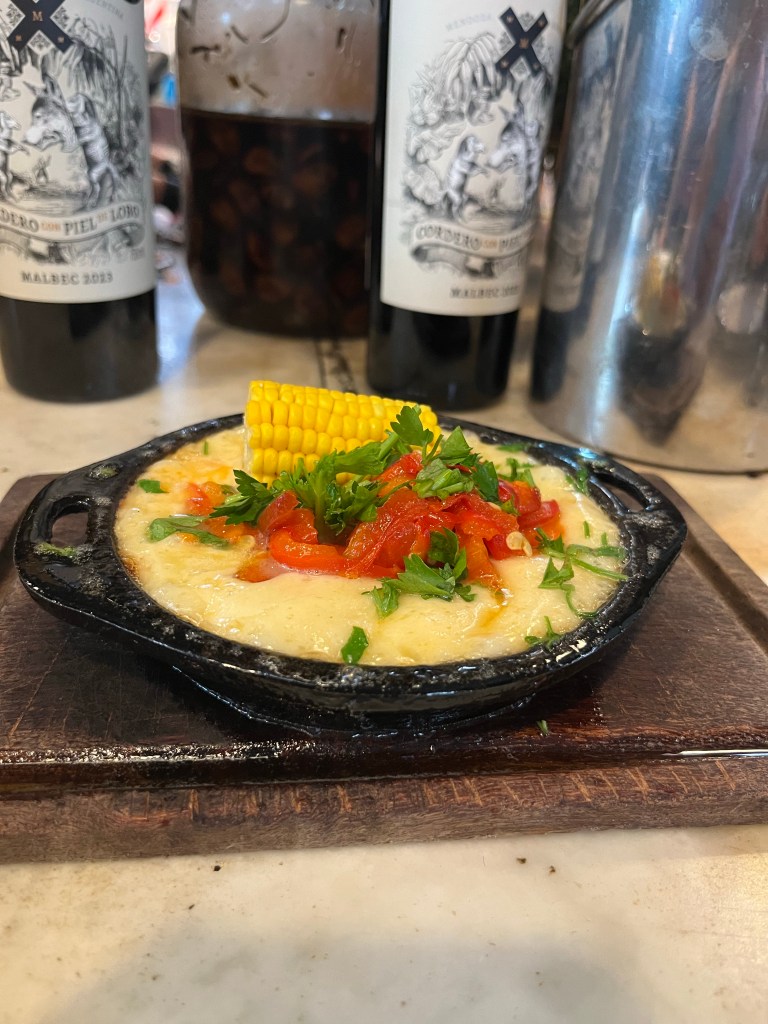
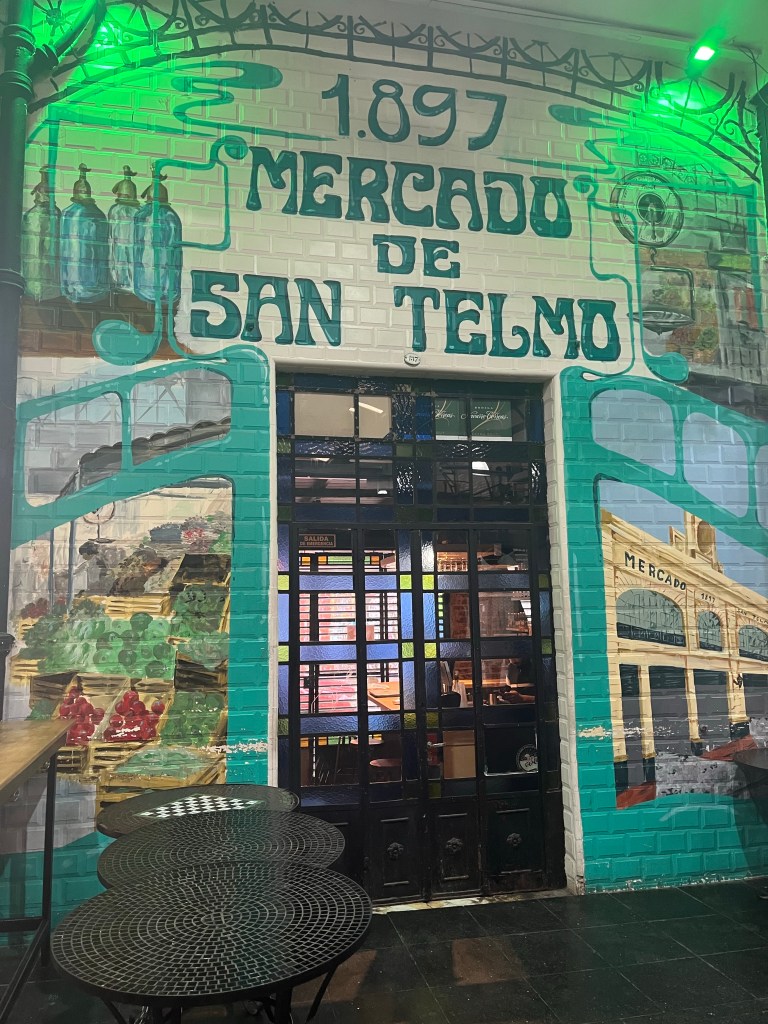
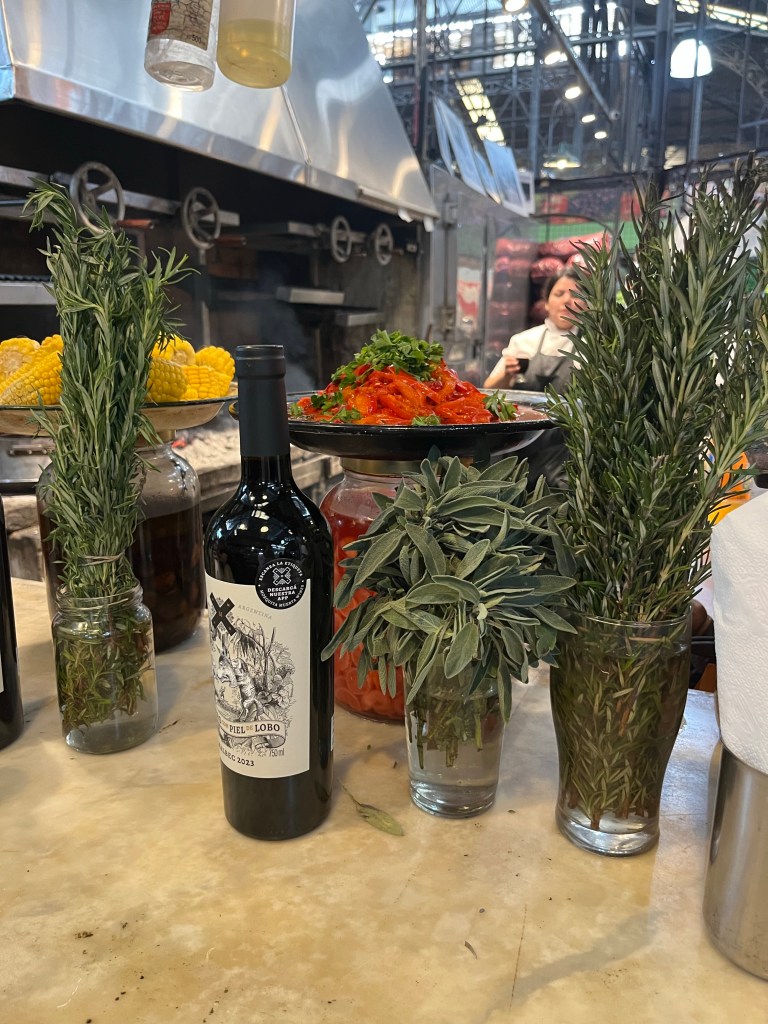
Before or after visiting either of the markets, The Gibraltar is a great pub nearby to sit and enjoy affordable drinks and better-than-average bar food. I really enjoyed the vibe in this English Pub-style bar and visited more times than I’d like to admit during my time in the city. I wouldn’t say that it’s worth making a specific journey to this neighborhood just for this bar, but if you’re in the area, I highly recommend stopping in.
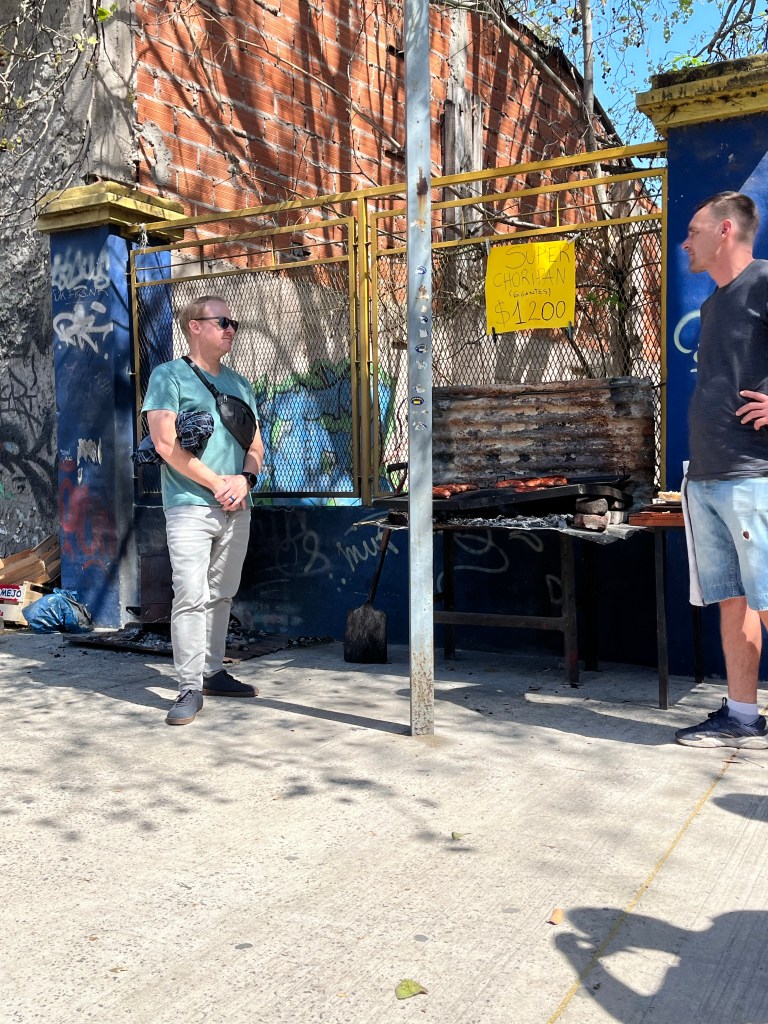
Not far from the markets and The Gibraltar, off a side street from the Sunday feria, is La Parri, where you will find a no-frills, true locals hangout. Here you can get a cup of wine for less than $1 USD and eat more choripan. It has limited seating and is lively on Sundays, so don’t be shocked if you have to wait for a seat, or share a table with strangers.
Palermo Neighborhood
A meal at La Cabrera Steak House should not be missed. Eating out in Argentina is already generally affordable but La Cabrera takes it to another level by offering their entire menu at 40% off if you arrive between 630pm and 7pm. Their menu is huge, the service is good, and the prices are obviously great. I highly recommend that you get there by 615pm as that is when people start lining up outside to get in for this deal. If you have room after dinner Temple is a great local craft brewery in the heart of Palermo (and with other locations throughout the city).
La Rural is a convention center that hosts a variety of events. When I was in Buenos Aires, there was a free food festival at La Rural nearly every weekend that had a wide variety of food and drinks to try and was very worth going to. You can check their schedule of events here.


When the weather is nice, the Buenos Aires Ecoparque is a great place to spend time walking around. The park is a free zoo that focuses on helping people understand the importance of conserving our species and their environments. You can find more information about the Eco Park here.
On Tuesday nights on the west edge of Palermo, there is a great live music show called La Grande where you can see a live performance that includes a few of the musicians from the famous Monday night Bomba show. I preferred this experience over the Monday show by a long shot. It’s affordable, fun, casual and the musicians are incredibly talented, playing an eclectic array of music that is sure to get anyone dancing. Details and ticket reservations can be made through the link on their IG.

 The Ambitious Passport