
Medellín holds a very special place in my heart. It’s not often I get emotional while writing my travel blogs, but in the spirit of full transparency, this one hit hard. For one, Medellín is the city where we have stayed the longest since being nomads, 10.5 weeks; secondly, the community in Medellín was nothing like I’ve ever experienced anywhere in the world. The community I experienced there was incredibly welcoming, helpful, and loving, which created an experience unlike anything I’ve found elsewhere. More on that later.
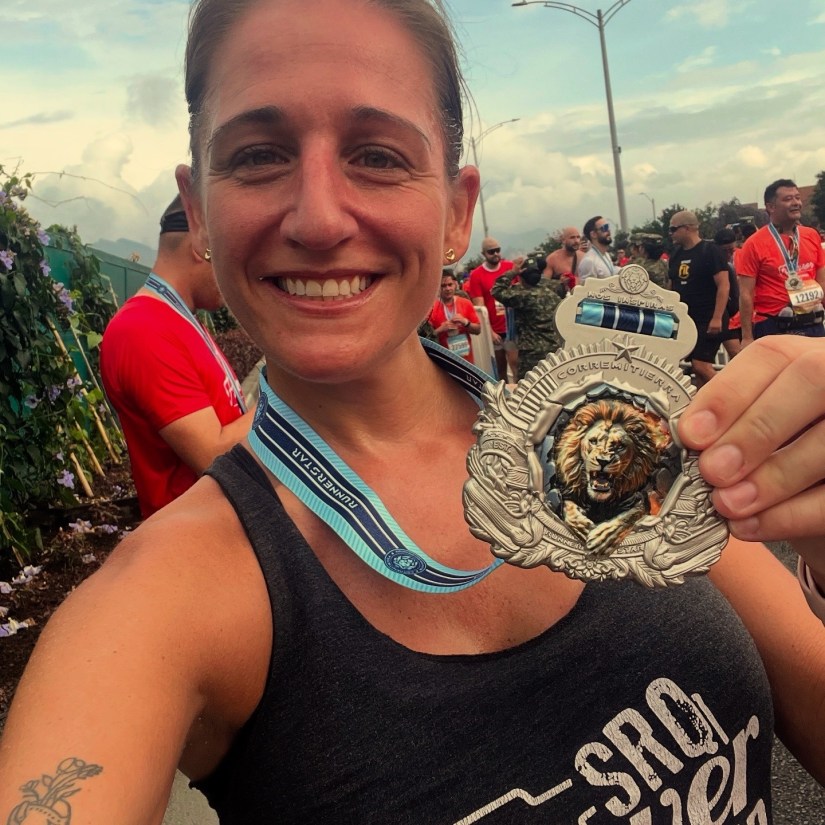
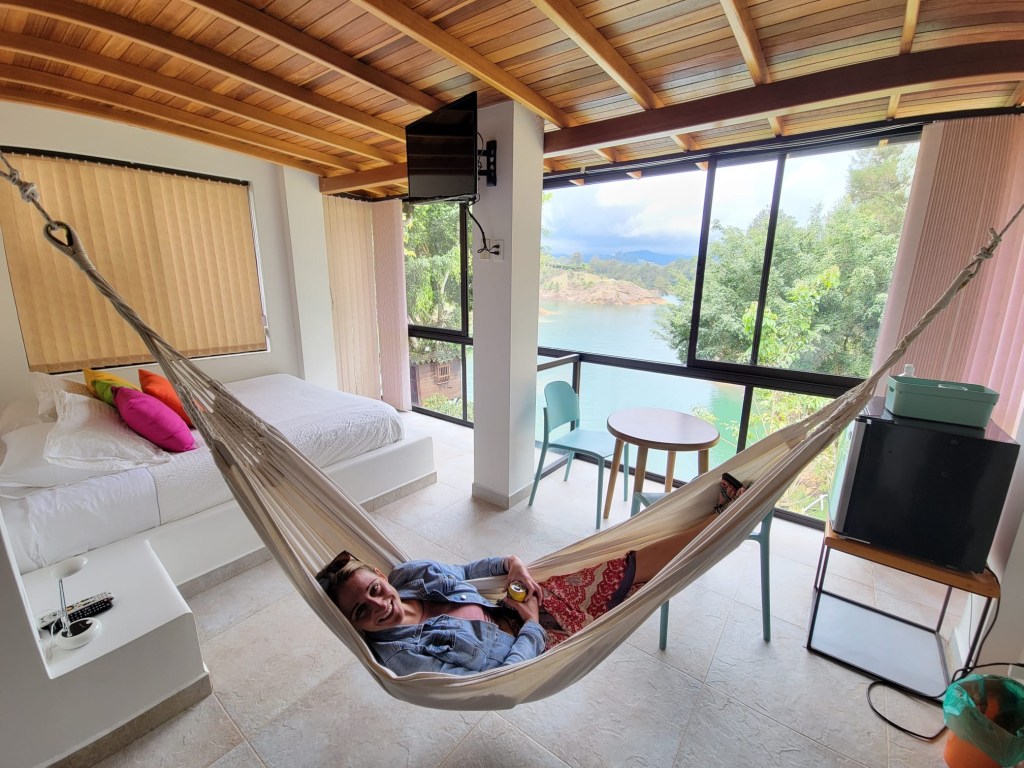
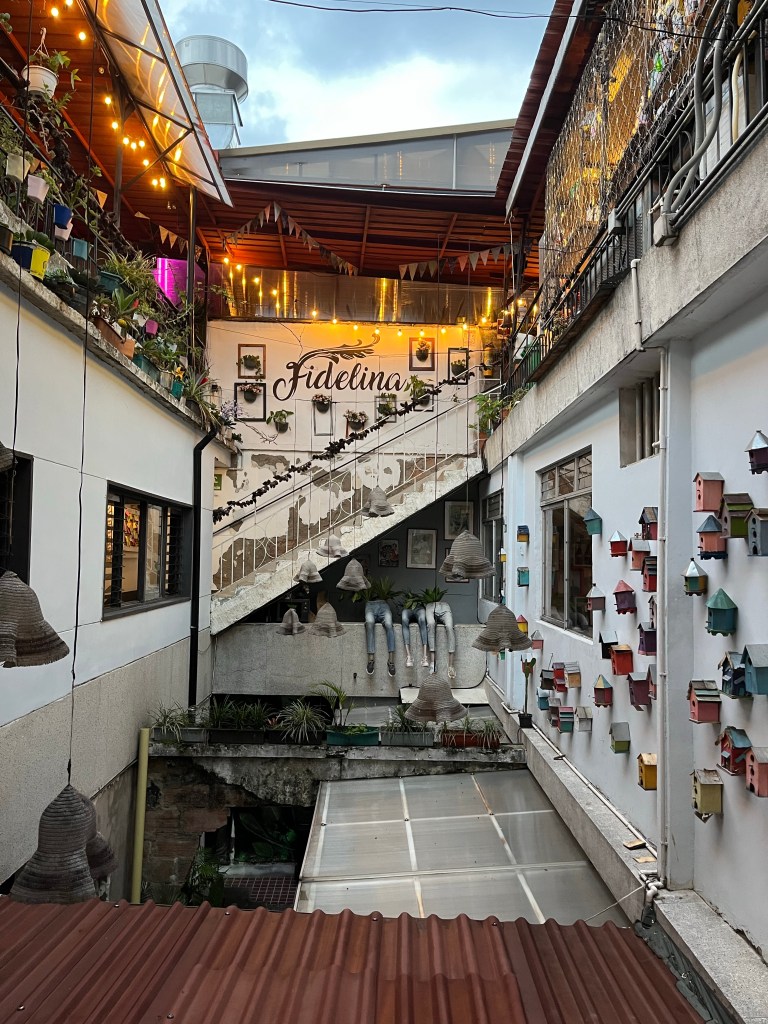
When you hear “Medellín,” you may immediately think of stereotypes from the 1990’s which are no longer accurate. Medellín is no longer the place it once was. Once stigmatized by its turbulent past, Colombia’s second-largest city has reinvented itself over the past two decades and is now a global example of urban resilience and social innovation, and one of South America’s most exciting destinations. Bursting with culture, surrounded by lush mountains, and home to some of the kindest people you’ll ever meet, Medellín is a must-visit for travelers looking to experience a vibrant and modern Latin American city with heart.
Medellín is known as La Ciudad de la Eterna Primavera (the City of Eternal Spring in English) because it boasts a year-round mild climate that locals and visitors love. It’s the only city in Colombia with a metro system, a symbol of its innovative urban development, which also includes cable cars connecting the hillside neighborhoods.


Medellín is the proud birthplace of world-renowned artist Fernando Botero, whose oversized sculptures adorn the popular Plaza Botero in the city center. The term “paisa” refers to the people from this region, who are known for their friendliness, pride, and entrepreneurial spirit. It’s also fast becoming a hotspot for digital nomads and remote workers, thanks to its improved infrastructure and welcoming vibe.
The Main Neighborhoods in Medellín
El Poblado: This popular area for tourists and digital nomads is full of trendy cafes, rooftop bars, restaurants, and boutique hotels. Safe, walkable (with hills!), and stylish but also very expensive.
Laureles: A quieter, more local alternative to El Poblado, and personally my favorite area of Medellín. Here you’ll find tree-lined streets, authentic eateries, and a more relaxed pace. This area is great for longer stays or those wanting a more “local” vibe that still feels safe and accessible.
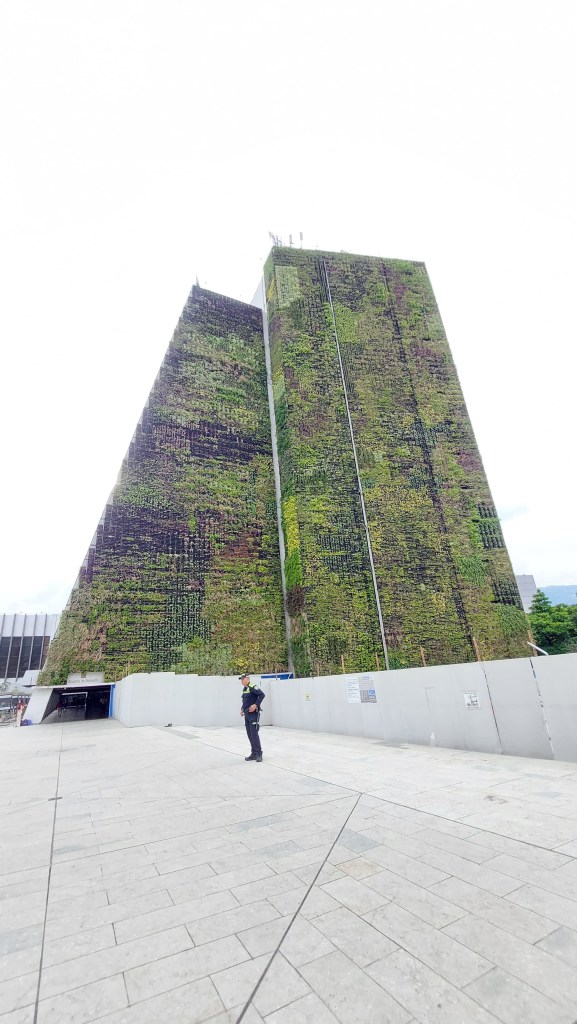

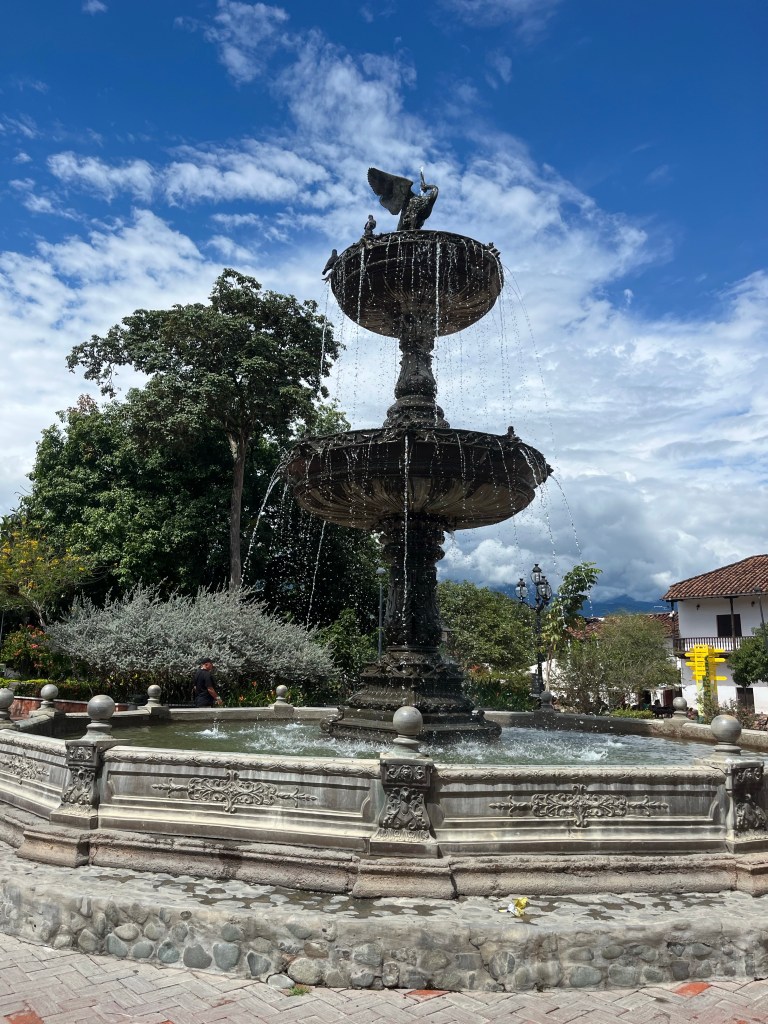
Envigado: Technically a separate municipality, but closely connected to Medellín. This area is safe, family-oriented, and charming with lots of local color. Excellent for those seeking a truly residential feel.
Comuna 13: Once one of the most dangerous areas, it’s now a symbol of Medellín’s transformation. Street art, community-led tours, and outdoor escalators make it a unique and inspiring visit. You can read more about Comuna 13 in my blog from our 2022 visit.
Safety in Medellín
Medellín is generally safe for tourists, especially in areas like El Poblado, Laureles, and Envigado. But like any large city, situational awareness and common sense are key.
- Avoid walking alone late at night in isolated areas.
- Don’t flash valuables around and always keep your phone and camera use discreet.
- Be cautious with dating apps; recently, this has become a more commonly seen way of successful scams and theft, especially directed toward men.
- Though the official use of rideshare apps is a gray area, legally, it’s accepted, common, and safe. More on this below.
- Police presence has improved, and tourist police are common in the main areas throughout the city.
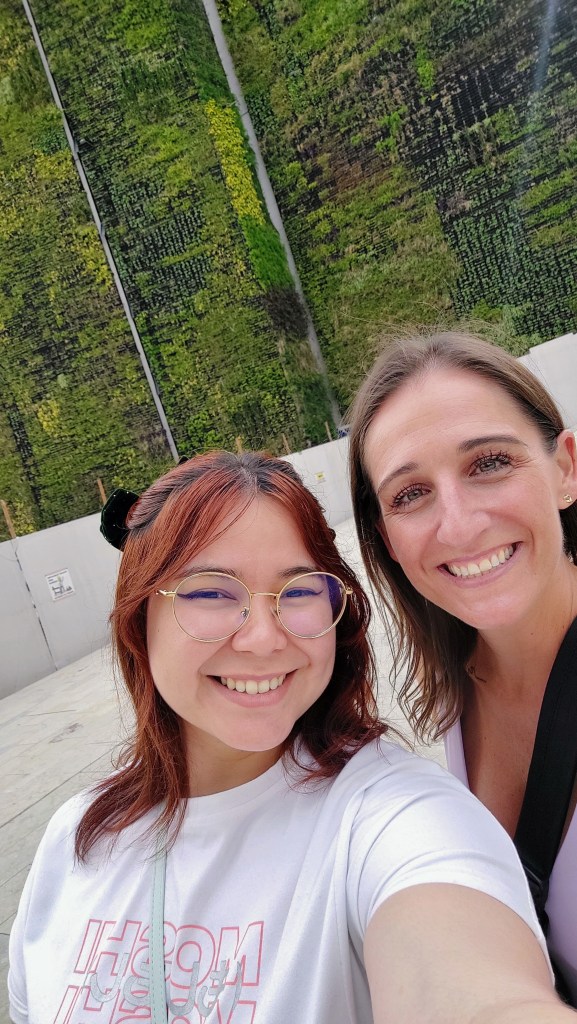
Practical Tips for Medellín
Currency: The local currency is the Colombian Peso (COP), and during my time there in 2025, the exchange was about 20k COP to 5 USD. Credit cards are accepted in most places, but cash is essential for small shops, street vendors, and rural trips.
Tipping: In some restaurants, a tip will be included in the bill (usually 10%) and split among the staff. If you want to leave extra, you can, but it is not necessary. Smaller places/counter restaurants & bars will usually neither ask for nor expect a tip. If a tip wasn’t added and you want to leave 10% extra, you can tell them “mas diez por ciento” before they run the card (Which means: add 10 percent).

Drinking & Weed Laws: Open containers on the streets is permitted in Medellín; grabbing a beer from a convenience store & walking around the sidewalks or parks is not uncommon. Weed isn’t technically legal, but it is “accepted,” so you’ll see/smell smoking on the streets sometimes, even near cops. I was told by a local friend that if the cops arrested everyone who smoked weed, they would be kept too busy to worry about other things, so it’s generally just ignored. There is even an ice cream shop in Laureles that openly sells weed ice cream as displayed on their sign, and I would see cops sitting there chatting with the owner when I would go out for a run.


Getting Around in Medellín
Getting around Medellín is refreshingly easy compared to many other Latin American cities. While Medellín does have a network of local buses, the routes can be confusing if you’re not familiar with the system, so for most travelers, sticking to the metro or ride-share apps is simpler and more comfortable. Walking is another great way to explore, especially in neighborhoods like Laureles, which is flat and pedestrian-friendly. El Poblado is also walkable, though it’s noticeably hillier, so be prepared for a bit of an uphill workout.
The Metro: The crown jewel of the city’s public transport system is the Medellín Metro, which is clean, efficient, and very safe. It consists of two main lines and also connects to several cable car lines known as Metrocables that connect the hillside neighborhoods with the city center and offer travelers stunning aerial views of the valley. If you plan to use public transport frequently, you can grab a reloadable Cívica card at any metro station with cash for convenience and small fare discounts.

Ride Share Apps: For non-Spanish speakers or anyone riding short distances or late at night, ride-sharing apps like Uber & DiDi are widely used and generally cheaper than taxis. Rideshare apps operate in a legal gray area, so despite being widely accepted, you’ll be asked for one person in your party to sit in the front seat. This is normal; do not worry. From the airport, you can easily Uber; just pay attention to the pickup location in the Uber app that your driver wants you to be at (door number, floor, etc).
Taxis: If you prefer traditional taxis, it’s best to order them through an app or your hotel rather than hailing them on the street to avoid scams or overcharging.
Walking: Once you’re within one of the neighborhoods I mentioned above, you can walk around within it, but you usually need to use the metro or Uber to get between the different neighborhoods.

Food in Medellín
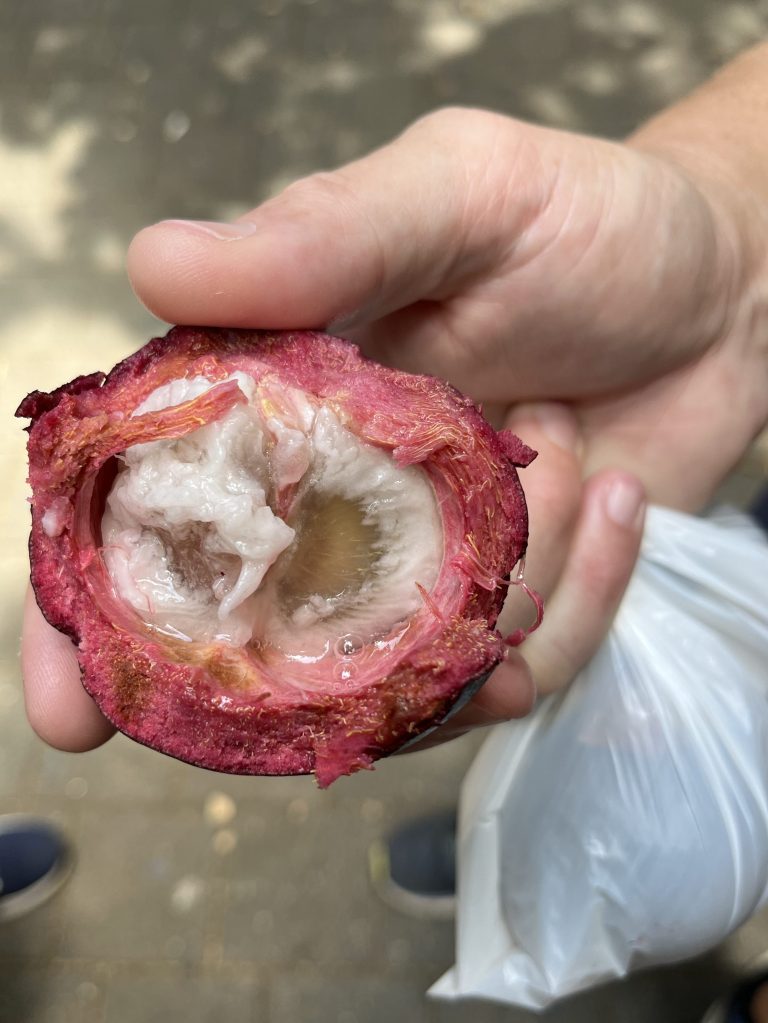
Medellín’s culinary landscape is evolving fast. Here are some local dishes to look out for:
- Bandeja Paisa: The city’s signature dish, usually made with white rice, red beans, chicharron (fried pork belly), ground beef, plantain, chorizo, avocado, arepa (corn cake), fried ripe plantain, and a fried egg. Some variations may also include black pudding (morcilla) or grilled meat.
- Arepas: This staple snack or side is a round, flatbread made from ground corn dough. Arepas are consumed similarly to how bread is eaten in other cultures and can be served at any meal, often with cheese, butter, or other fillings. Essentially, it’s a corn cake, sometimes described as a Colombian version of a tortilla
- Buñuelos: Easily found throughout the city, this is essentially a Colombian cheese fritter. They are traditionally enjoyed during the Christmas season, but are also popular year-round as a snack. They are known for their crispy exterior and soft, cheesy interior.
- Obleas: This popular Colombian street food & dessert consists of a thin, crispy wafer, often round, that is typically filled with a sweet topping like arequipe (a Colombian caramel sauce) and other fillings such as jam, whipped cream, or cheese.
- Empanadas: Colombian empanadas are made with a corn dough and are known for being deep-fried, resulting in a crispy, golden-brown crust. They are often filled with seasoned ground beef, potatoes, and sometimes other ingredients like onions and spices, served with aji, a spicy sauce.


Community in Medellín
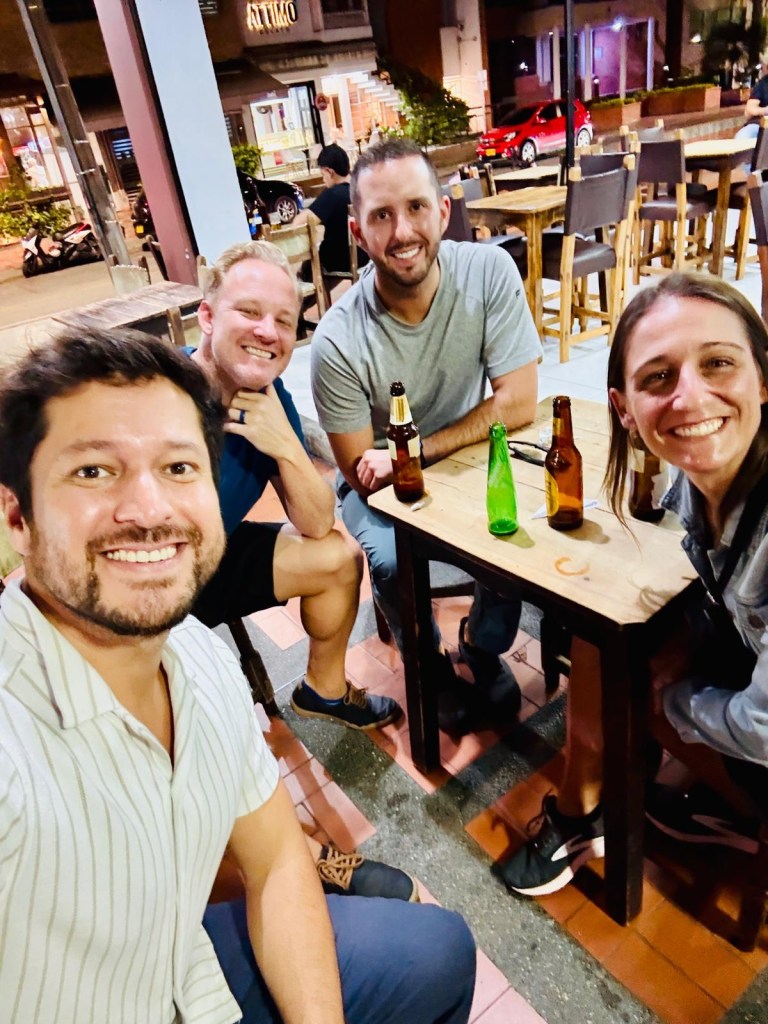
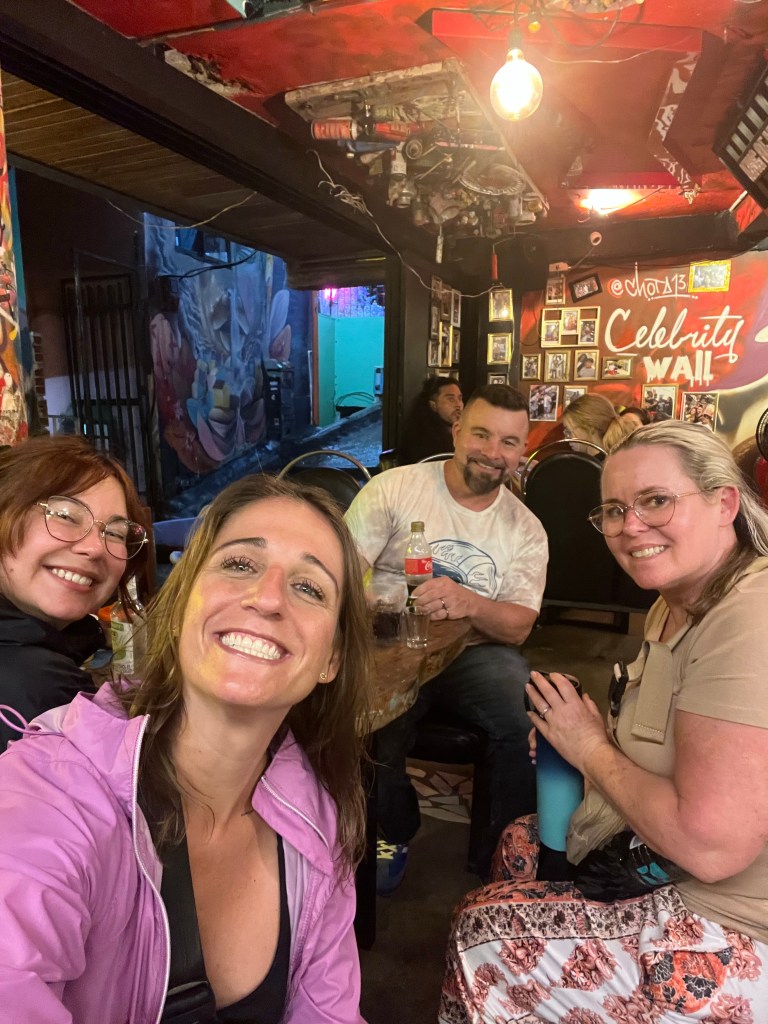
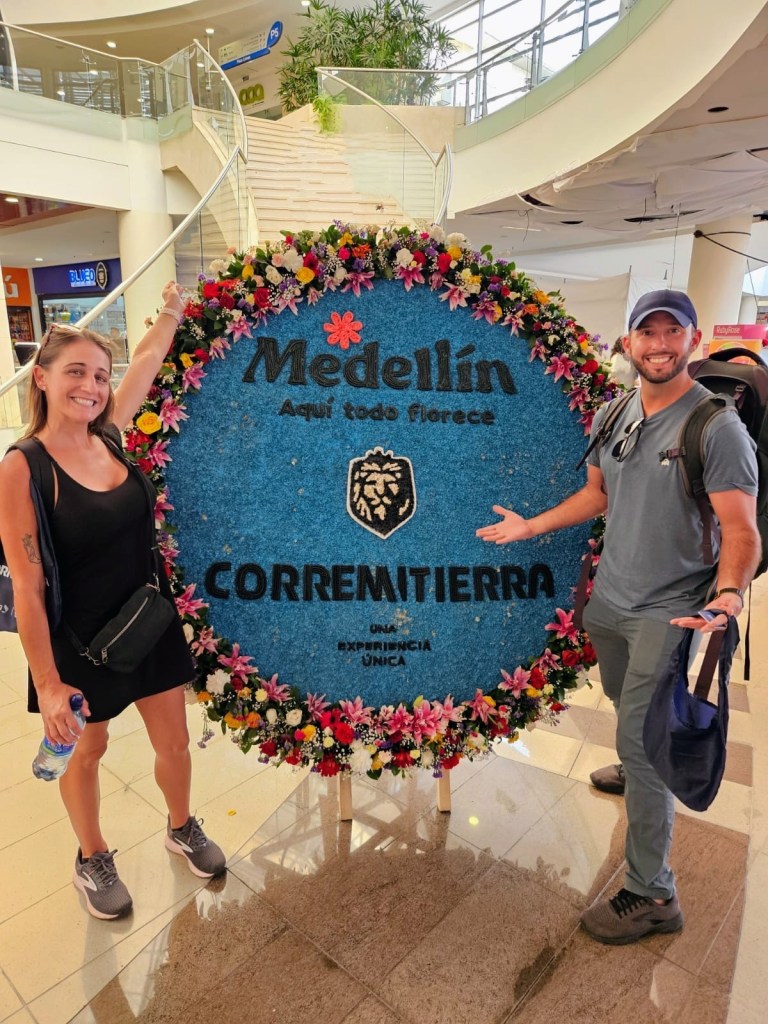
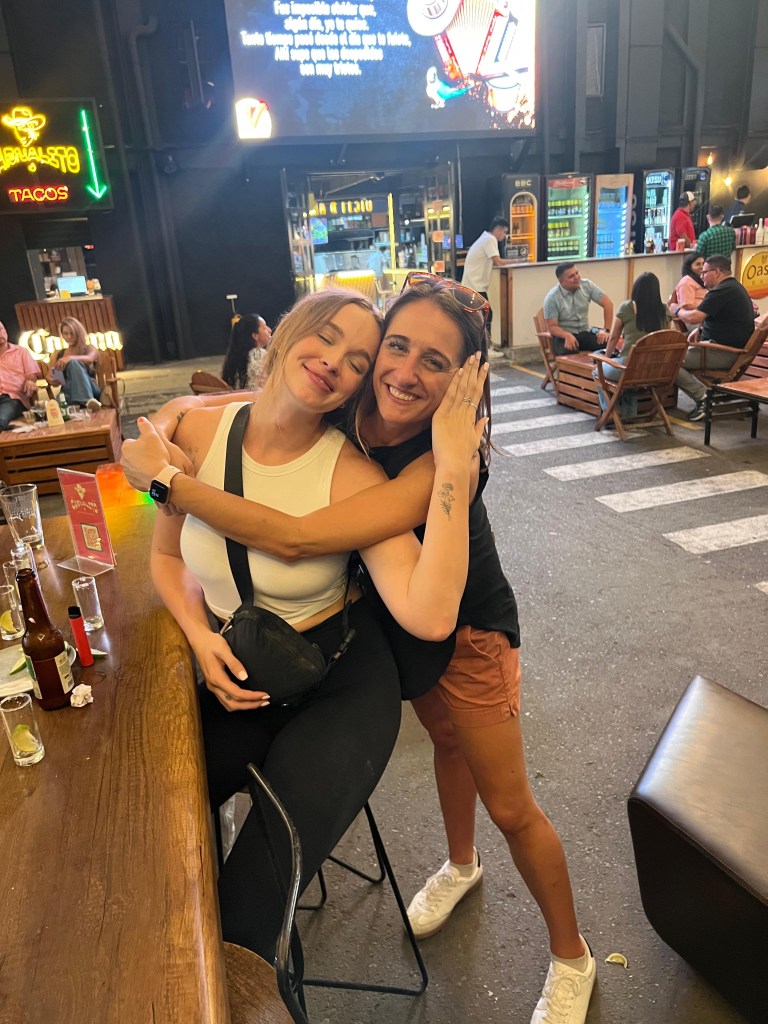
One of my absolute favorite things about Medellín, and what made it feel like home so quickly, was the friendly vibe of locals and expats alike. There are so many meetup groups, language exchanges, hiking groups, and running clubs waiting to welcome you with open arms in Medellín. On our very first Friday night in town, we were already being invited into a local’s home for a dinner party, someone I had just met that very day! (And who turned out to be my best friend during my time there). This kind of hospitality is one of my favorite things about my time in Medellín.

Shortly after arriving in Medellin, I was already involved in many cultural activities that are easily found on apps like CouchSurfing and Meetups, but the best find I had of all was finding Balu Coliving. I never stayed in this Coliving house (though many friends of mine did and they raved about it), but the super special thing about Balu Coliving is their organized weekend hikes and the Laureles Running Club.
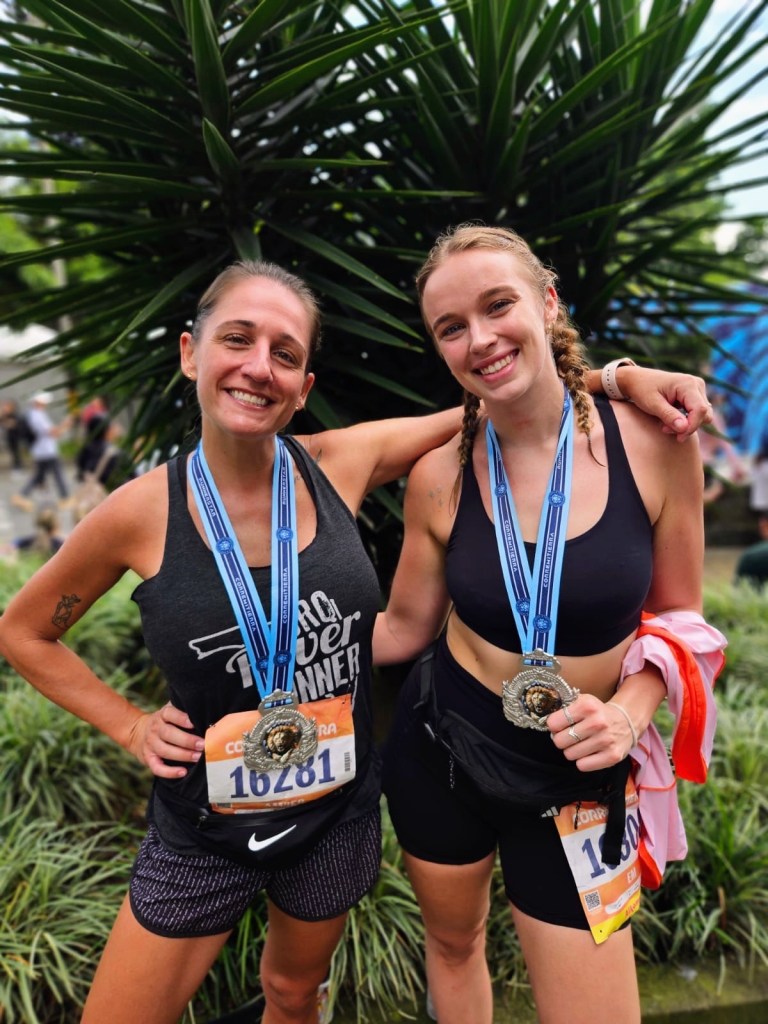
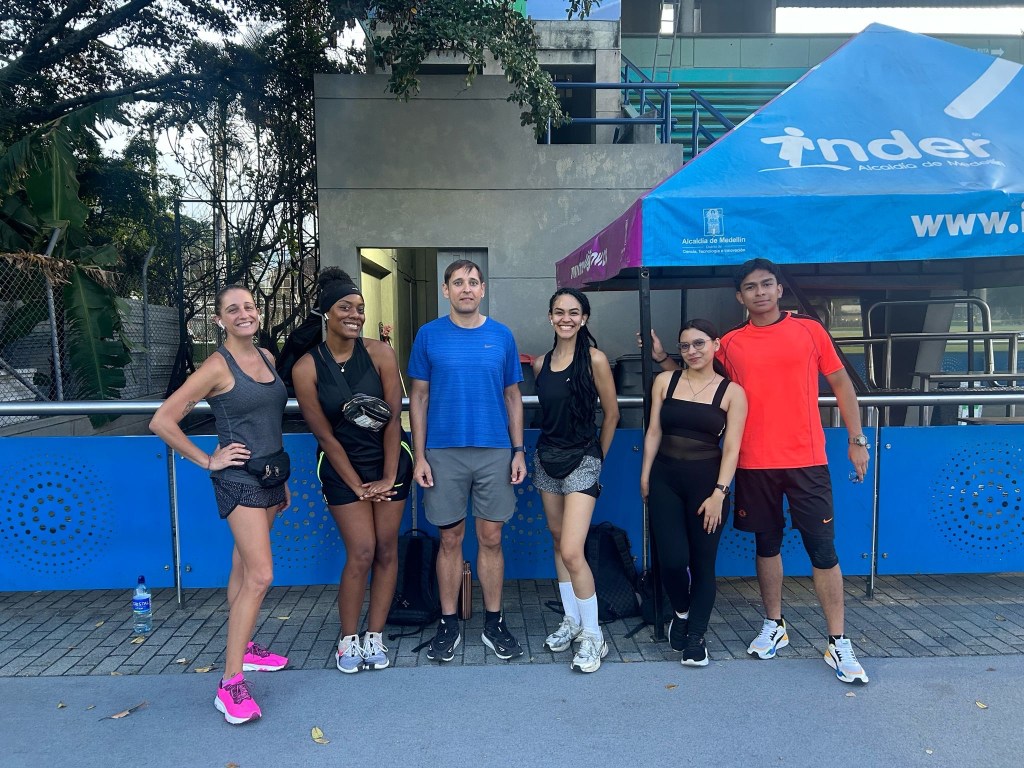

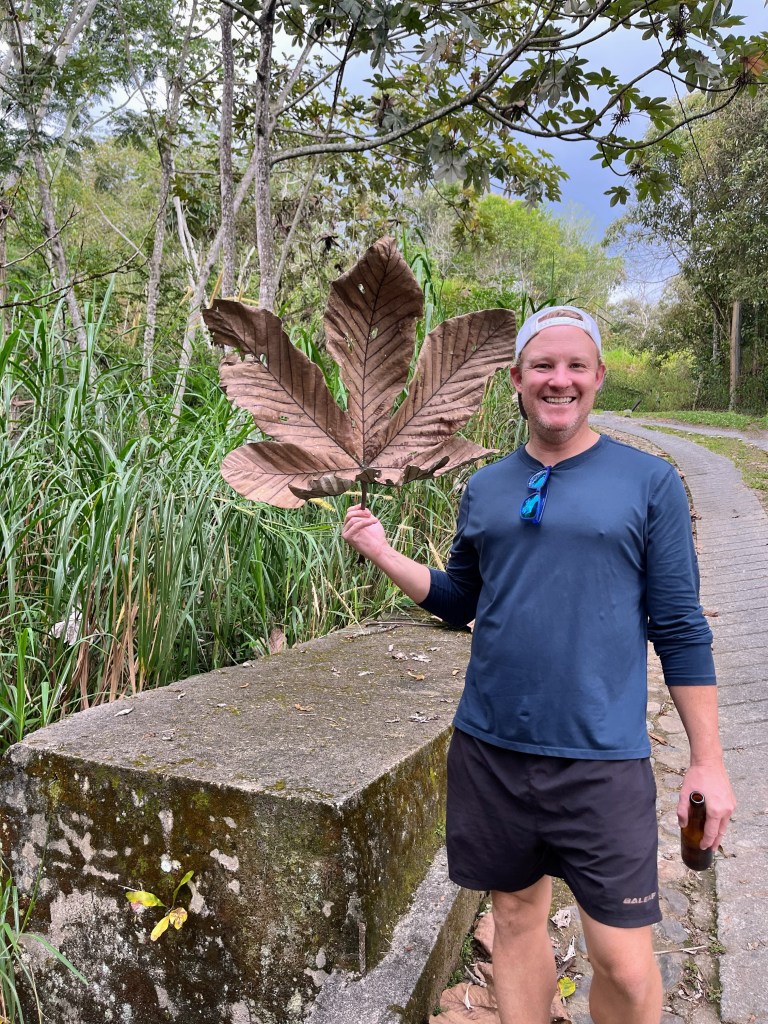
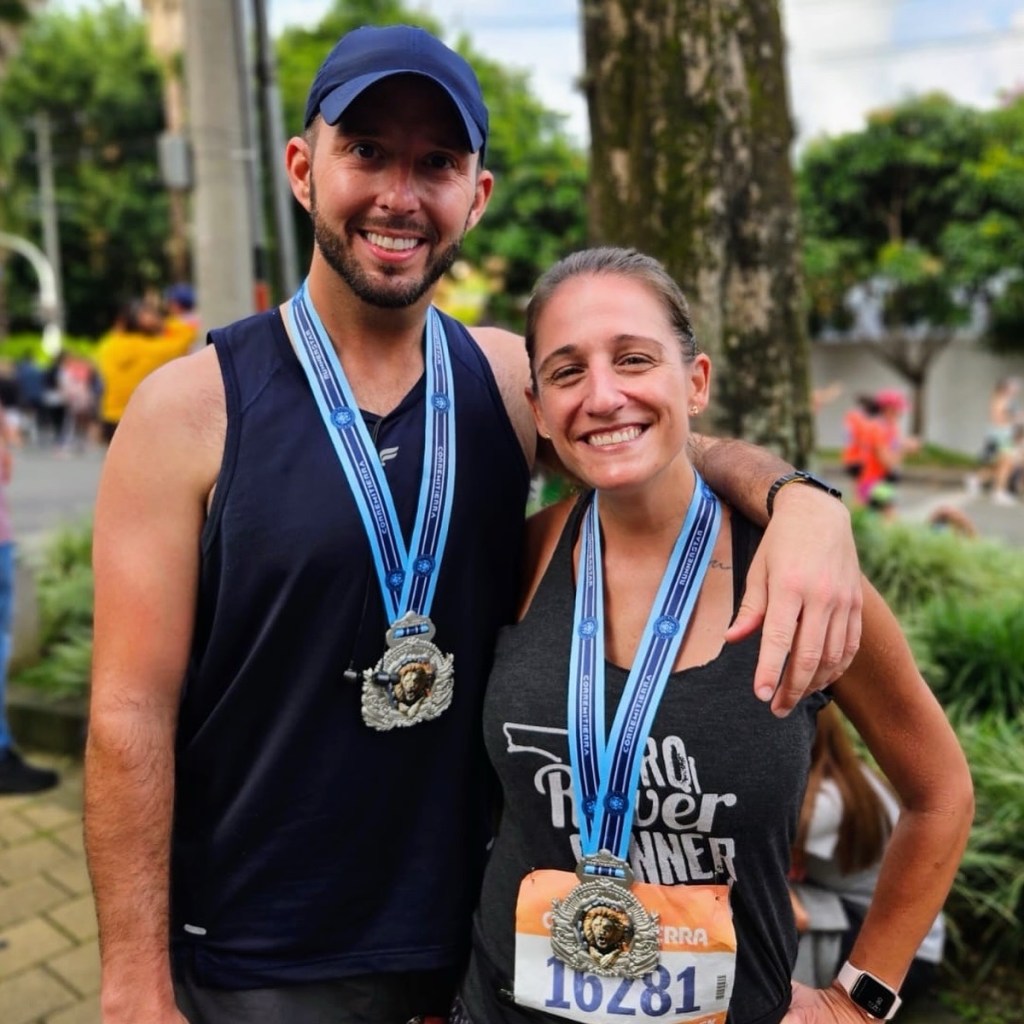
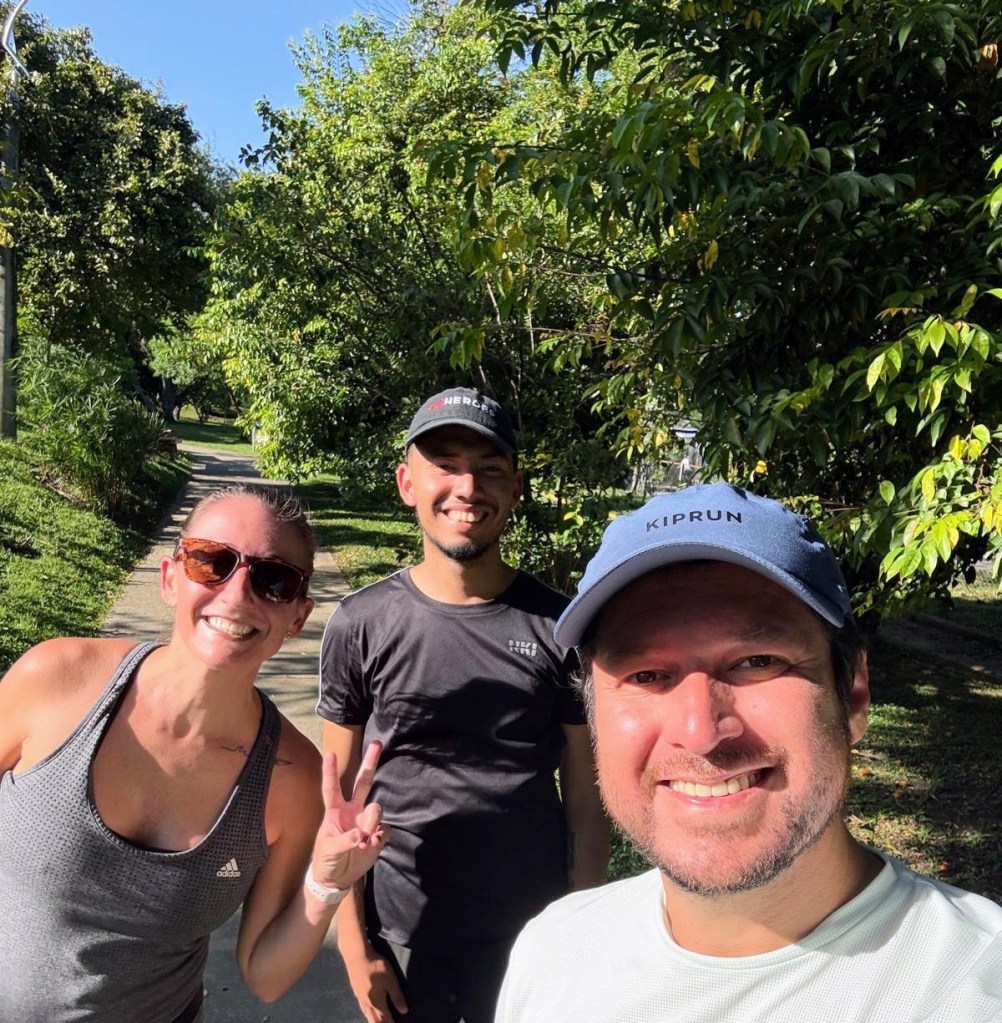
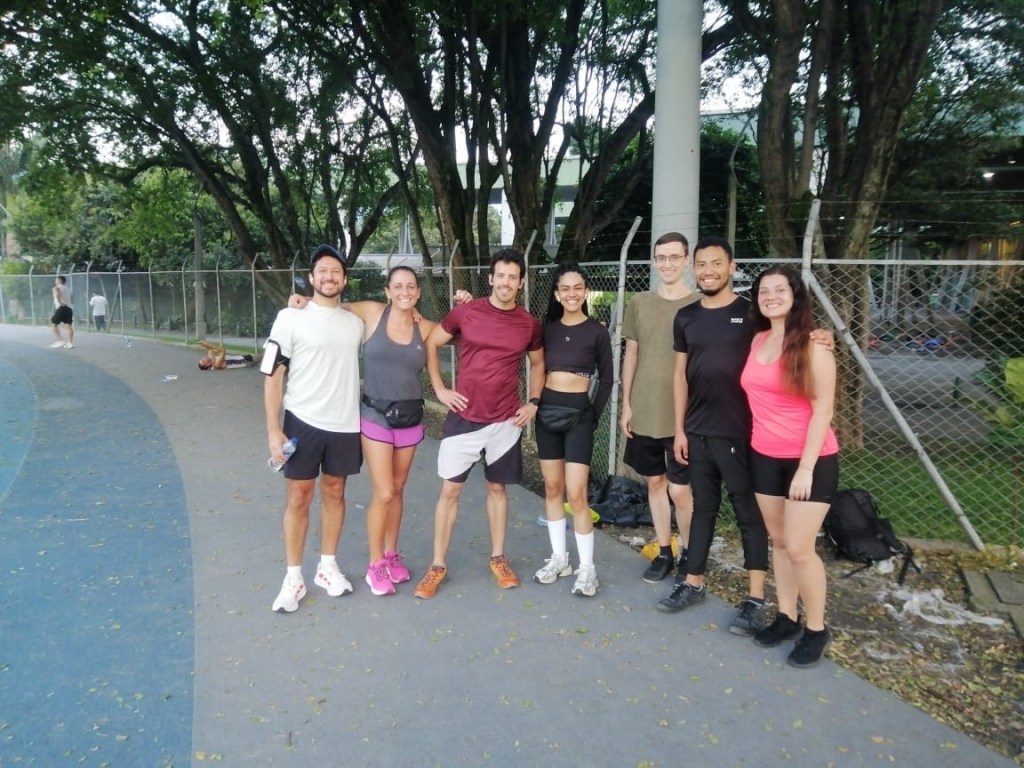
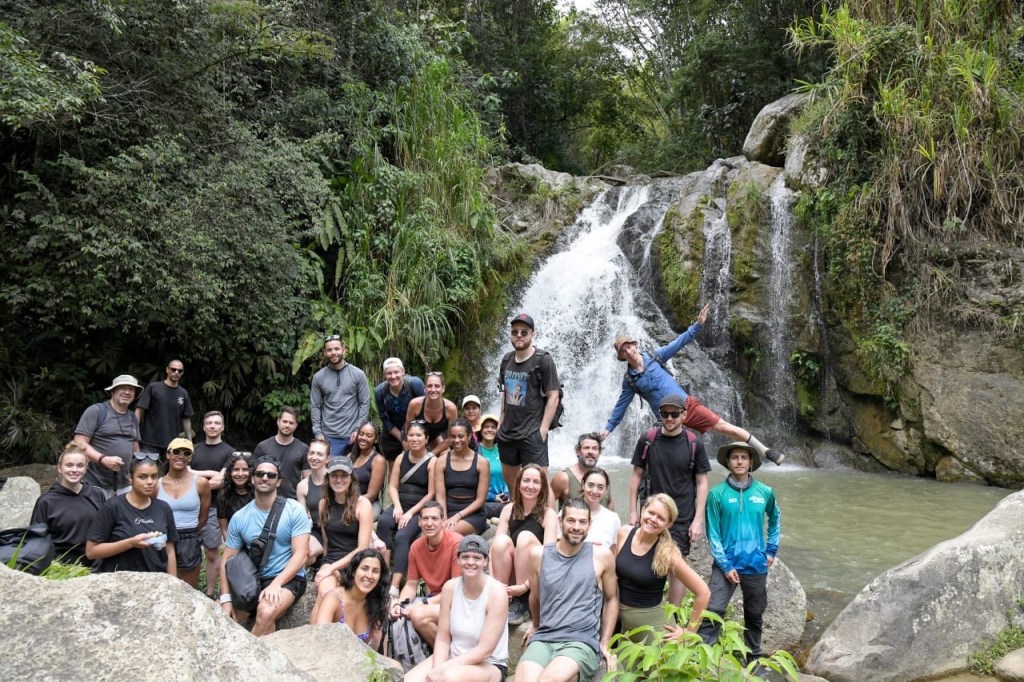
Joe, the owner of Balu Coliving, organizes weekend hikes nearly every weekend, most of them being free, where you can safely hike areas on the outskirts of Medellín while growing your community and making new friends. The Laureles Running Club, started by Joe and a few residents of his Coliving community in 2024, has grown into an incredible, supportive community that meets three times a week to work out and run together at the sports complex surrounding the Atansio Girardot stadium.

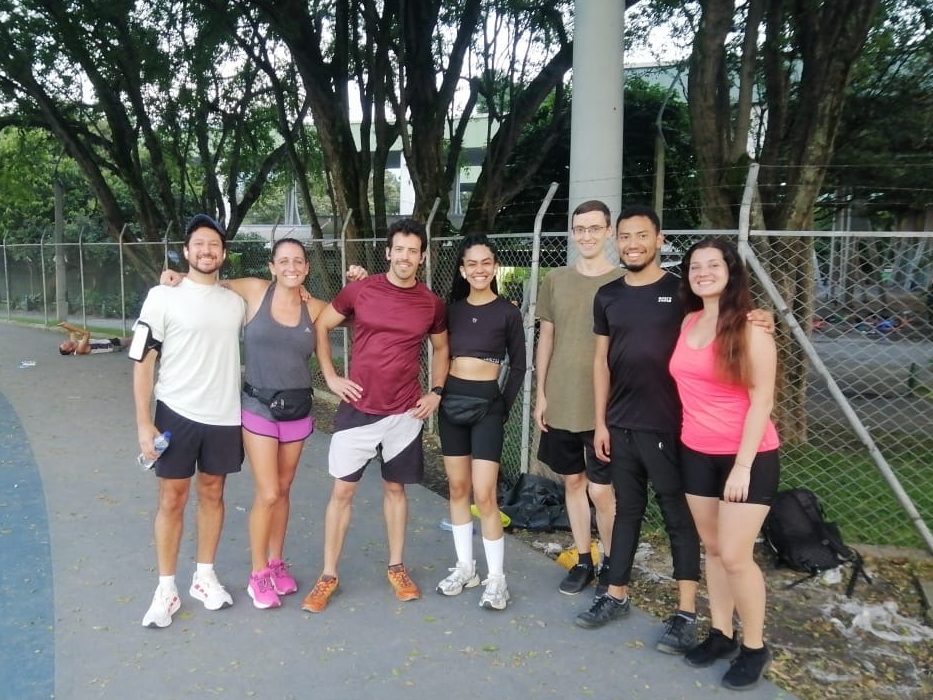

I was blessed to find this group early on my arrival in Medellín, and it had a huge impact on my stay. My best friends I made in Medellin were thanks to this group. If you’re in Medellin, don’t sleep on checking out @balucolivingmedellin and joining one of their fun, welcoming events!
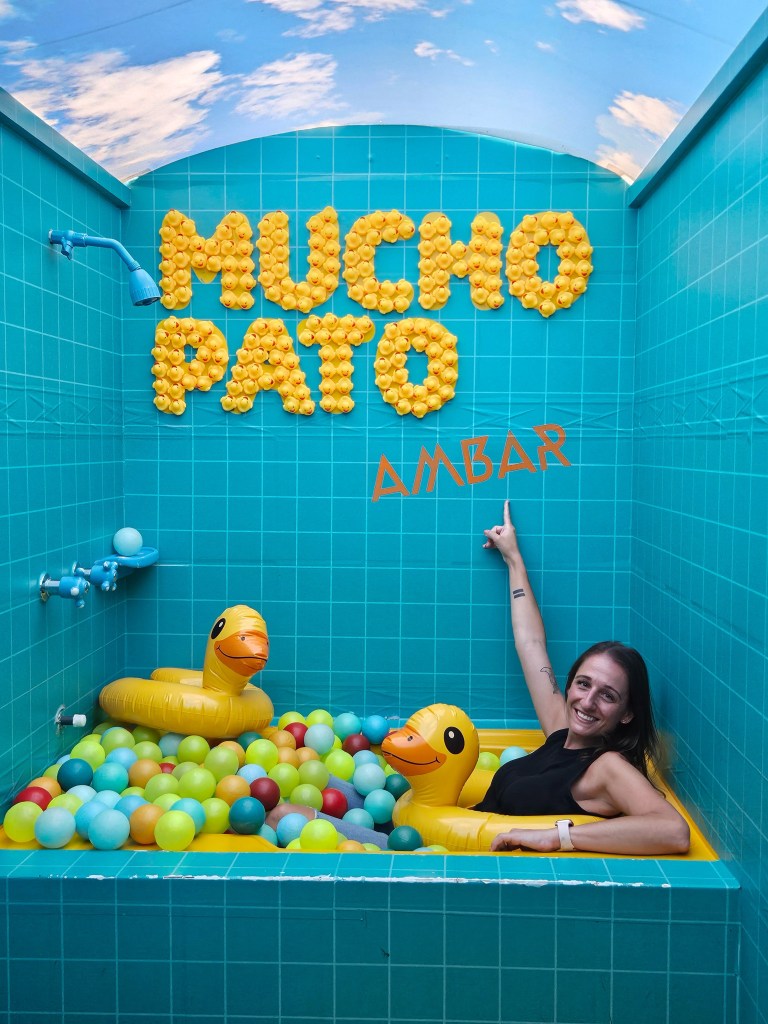
Another valuable resource for finding community in Medellin is this page, which lists local WhatsApp groups & communities that you can join based on your location, identity, or preferences.

What not to miss in Medellín
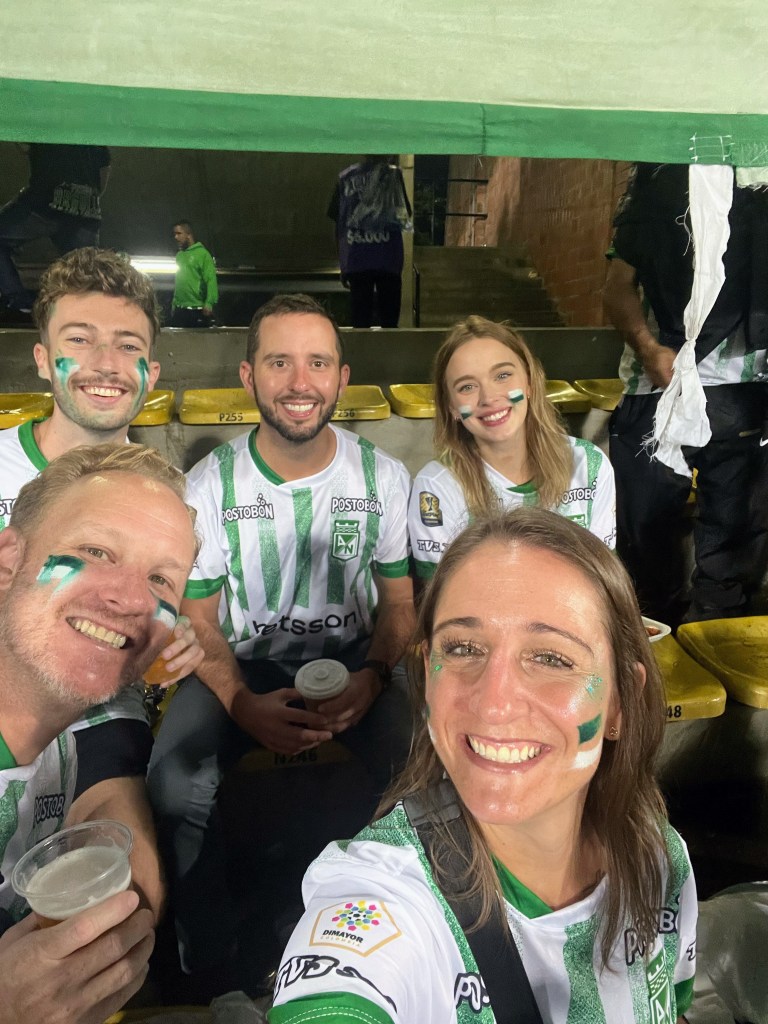
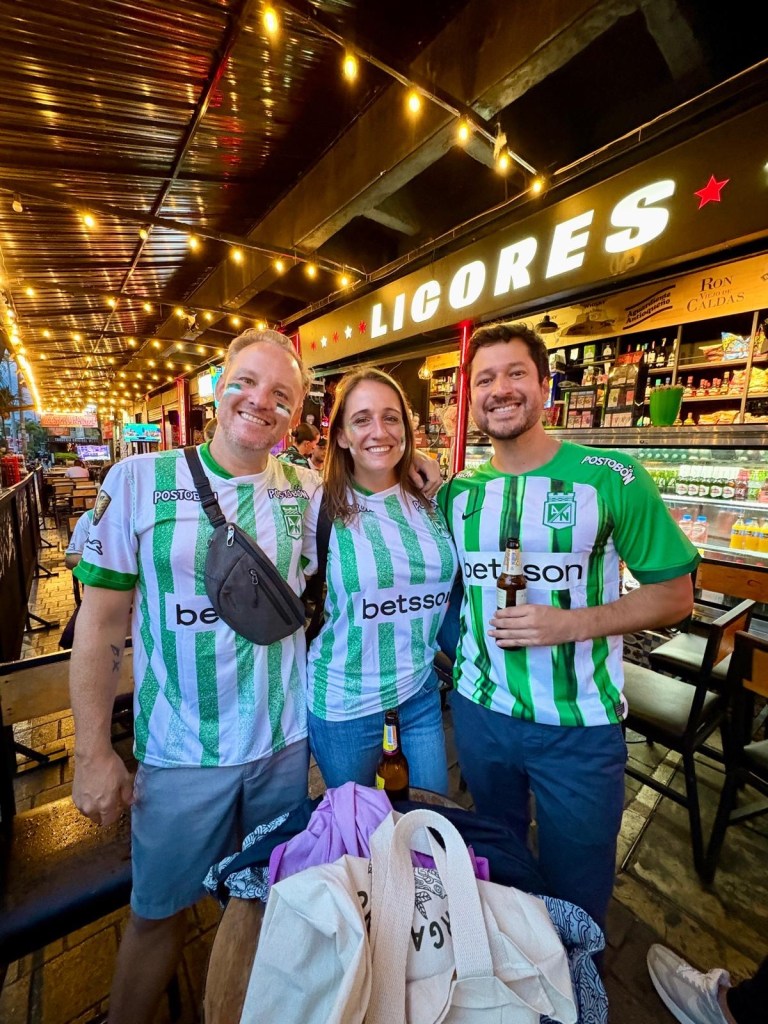
Going to a fútbol match: The two teams of Medellín are Atlético Nacional and Independiente Medellín, and catching either of them for a match is an exciting experience! Getting tickets isn’t a simple as a foreigner, and the stadium can feel overwhelming, so I recommend going with a group like this one, which we had a great experience with.

- Centro: Centro is relatively safe to walk around in during the day, but it is best explored on a tour first so you know your way around and what not to miss. I recommend this free walking tour.
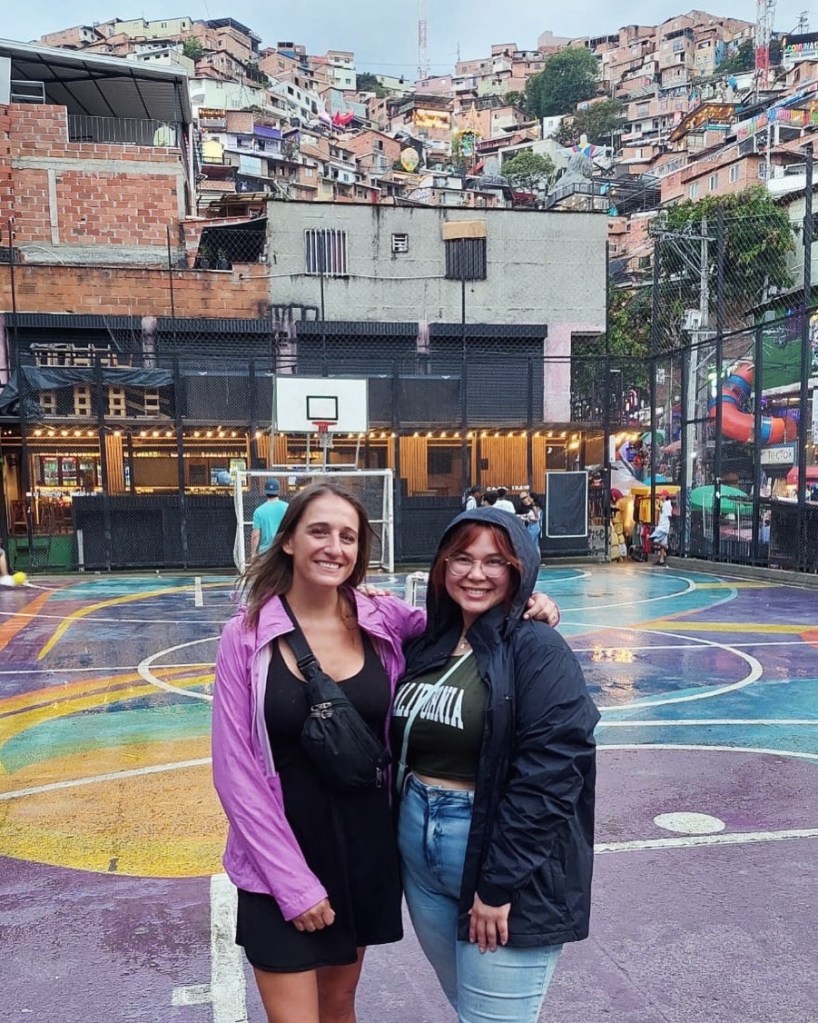
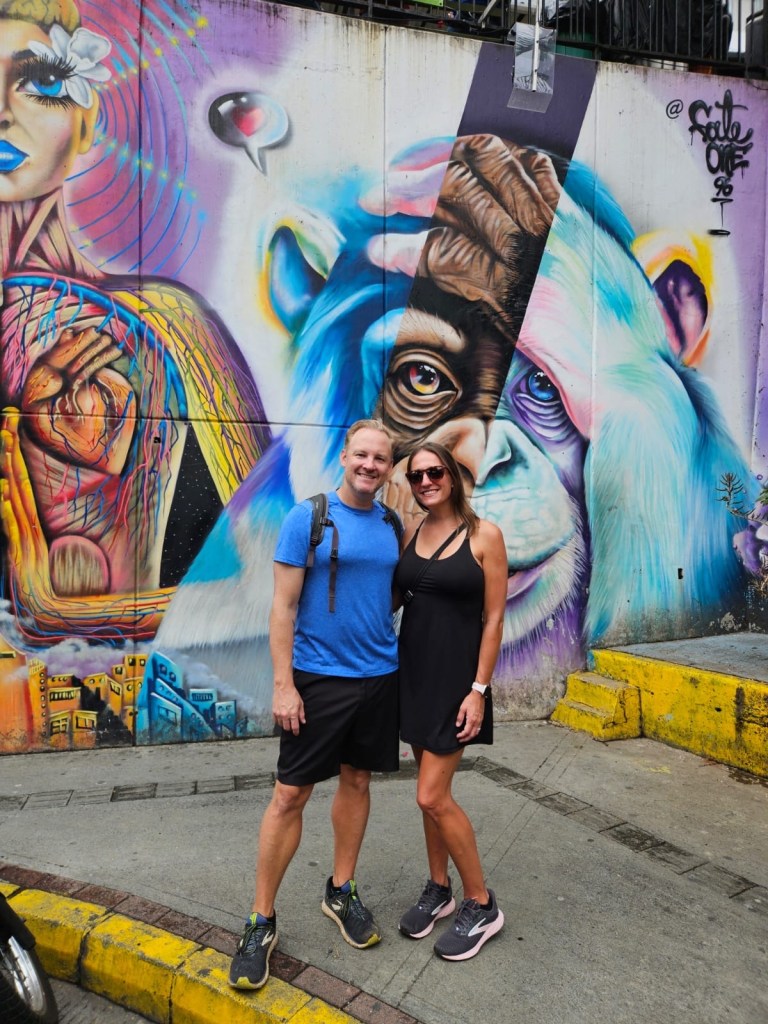
- Communa 13: Comuna 13 was once one of the poorest and most violent neighborhoods in Medellín. It’s now one of the most popular places to visit in Medellín. Comuna 13 is adorned with incredible murals telling stories from the past and of their creators’ hopes and dreams. Do NOT go without a tour; it’s not that it’s super dangerous, but you won’t get much out of it alone, as you won’t know where to go, what to see, or where you should be. I recommend this tour.

- Ciclovia: If you’re into walking, running, cycling, or rollerblading, the Sunday Ciclovia is perfect for you. Every Sunday, multiple major roads in the city are closed to vehicular traffic from 8:30 AM-1PM to allow people to get out and be active safely.
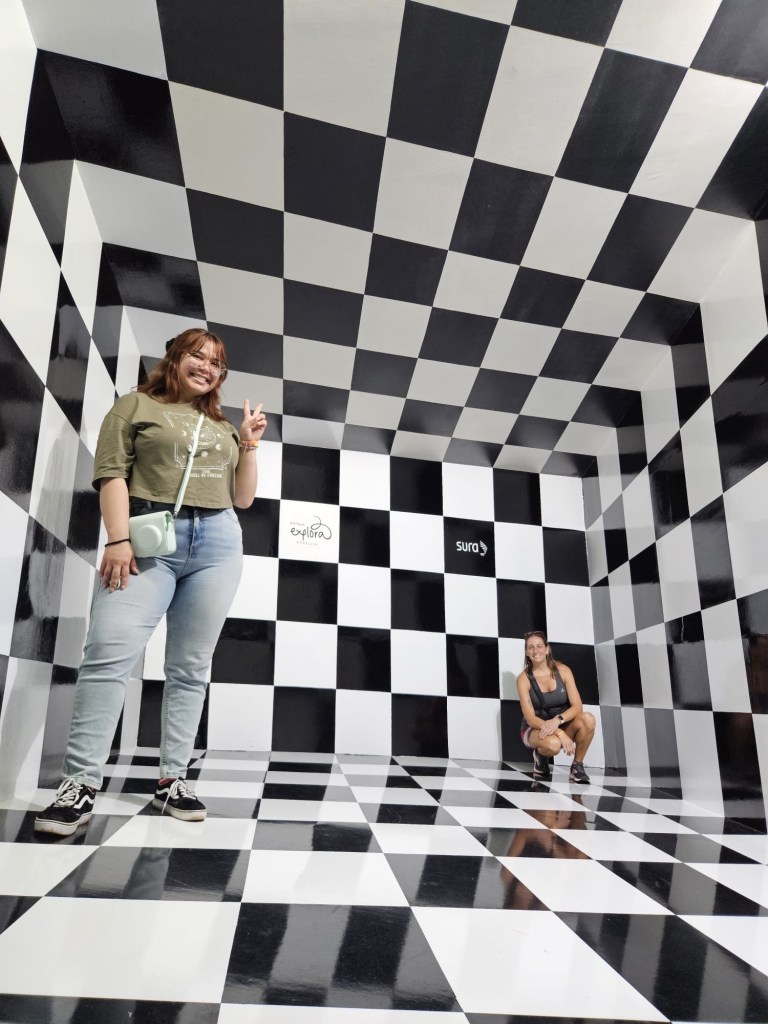
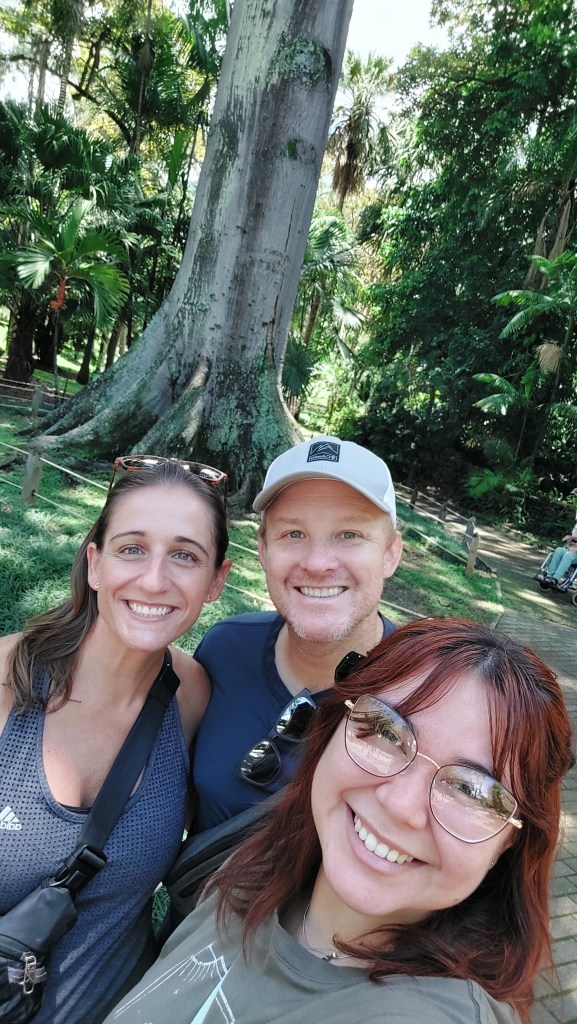
- Botanical Gardens: Uber or Metro to get here, and admission is free! Medellin locals come here to lie in the grass and hang out in this big park with pockets of cool cacti, palm trees, flowers, and bamboo. Outside, you’ll find people selling all sorts of street food and street performers. From the Botanical Gardens, you can also easily visit Parque Explora, a popular interactive science museum and aquarium, located right next to the gardens.
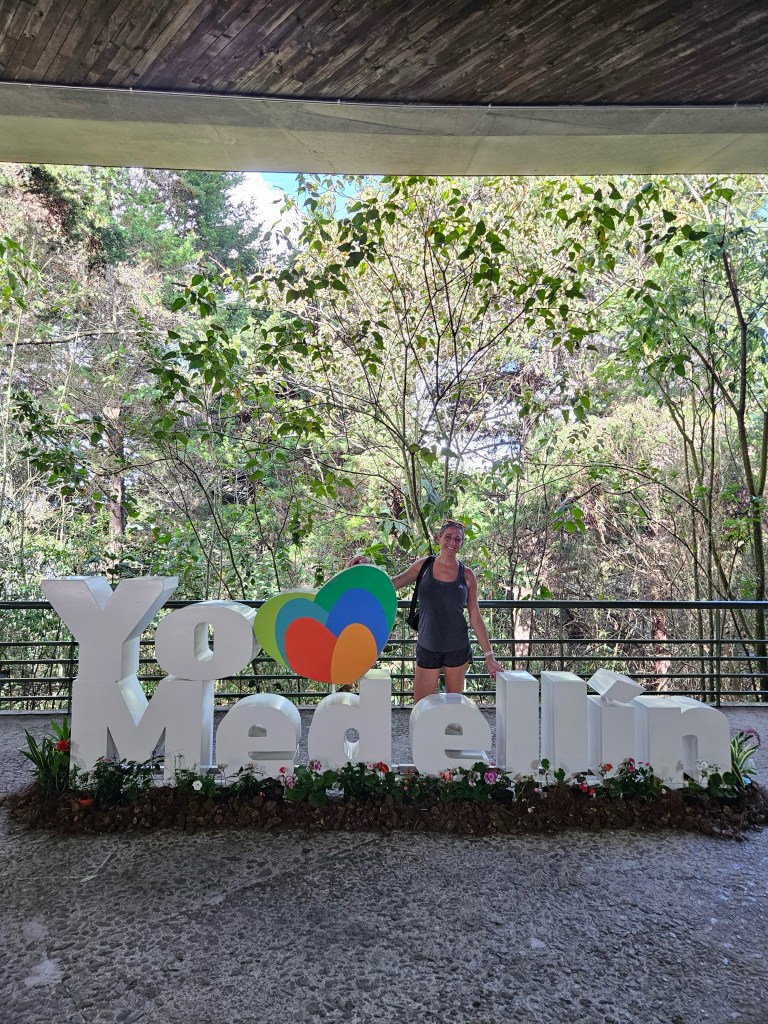
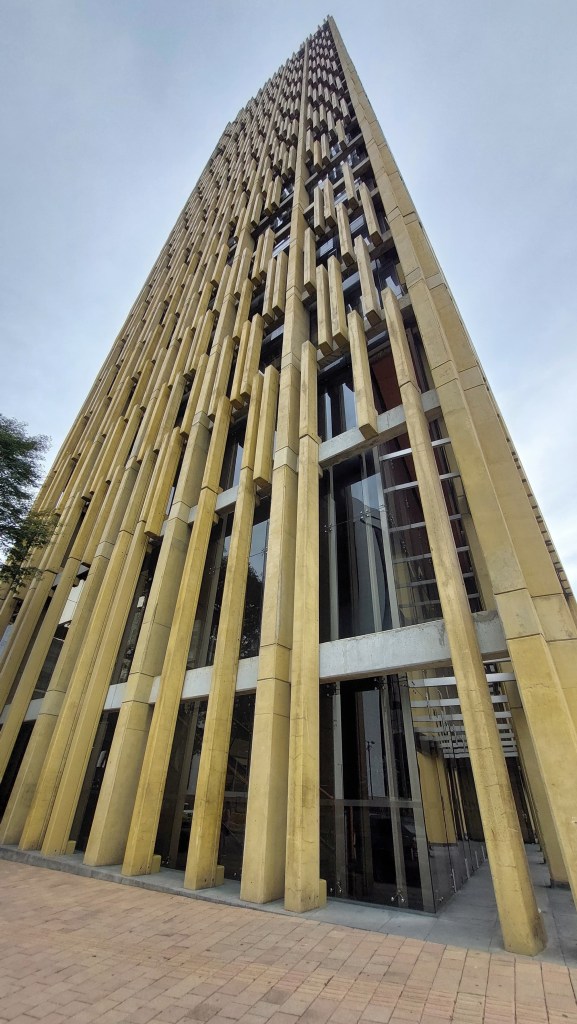
- National Palace Mall: This breathtaking palace, which once housed many government officials and a jail, is now home to a beautiful multi-story mall and art gallery. Roam the art on each floor and stop for drinks or snacks when you want at the various options inside. I recommend taking the elevator to the top, then taking the stairs down, stopping on each floor. Access to the building/art is free.
- Plaza Botero: This famous plaza in the center is decorated with sculptures by Fernando Botero. Even if you’re not familiar with his name, you have undoubtedly seen his work. He donated many pieces of his work to his country, and 23 of his large and unique statues are in this square.
- Provenza– Provenza is an area in Poblado that is like a little global village where you have everything and people from all over the world. Next to the trees and streams, there are old houses that are now converted into contemporary bars, clubs, and restaurants. What makes Provenza so special is that in the last 10 years, it has transformed a wooded and residential area of El Poblado into an entertainment center. This is a more expensive area of the city, so take that into account when planning your visit there.


Day Trips from Medellin
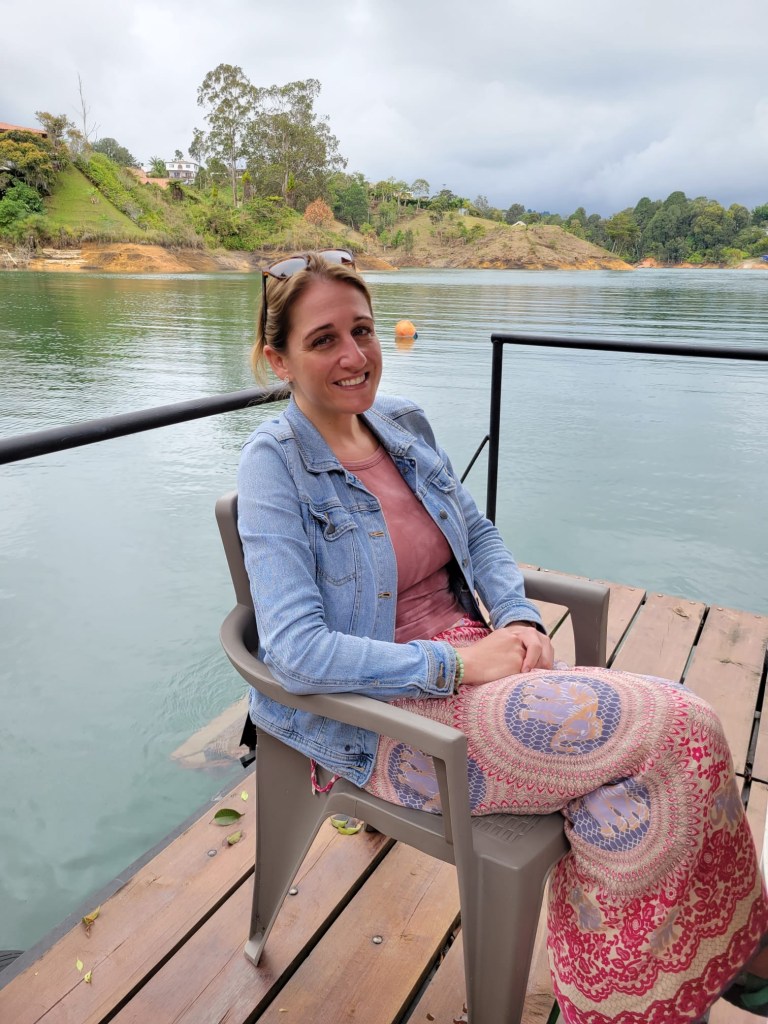
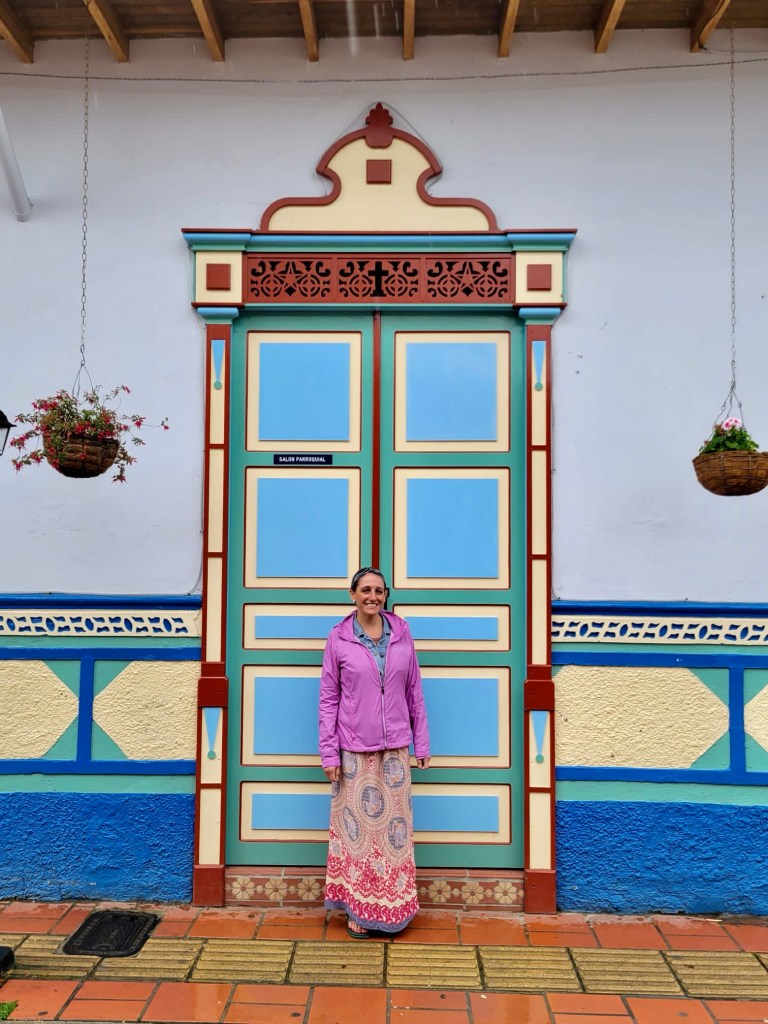
The most common day trip is to visit Guatapé. This is a storybook lakeside town famous for its colorful zócalos, the lake, and the iconic El Peñol Rock.



How to get there: You can take a bus from Terminal Norte, use a rideshare app, or join a private tour group. Note that it is easy to take a rideshare app to get there, but you’ll likely need to take the bus back; they run about every half hour.

- Highlights:
- Climb the famous 740-step El Peñón de Guatapé for breathtaking views.
- Stroll the colorful streets and take a boat tour on the reservoir.
- Eat fresh trout or local bandeja paisa.
- Explore the Plazoleta de Los Zócalos for great photo ops and visit the Parroquia Nuestra Señora del Carmen church.
- Tip: Arrive early to beat the crowds and visit on a weekday to avoid weekend traffic.

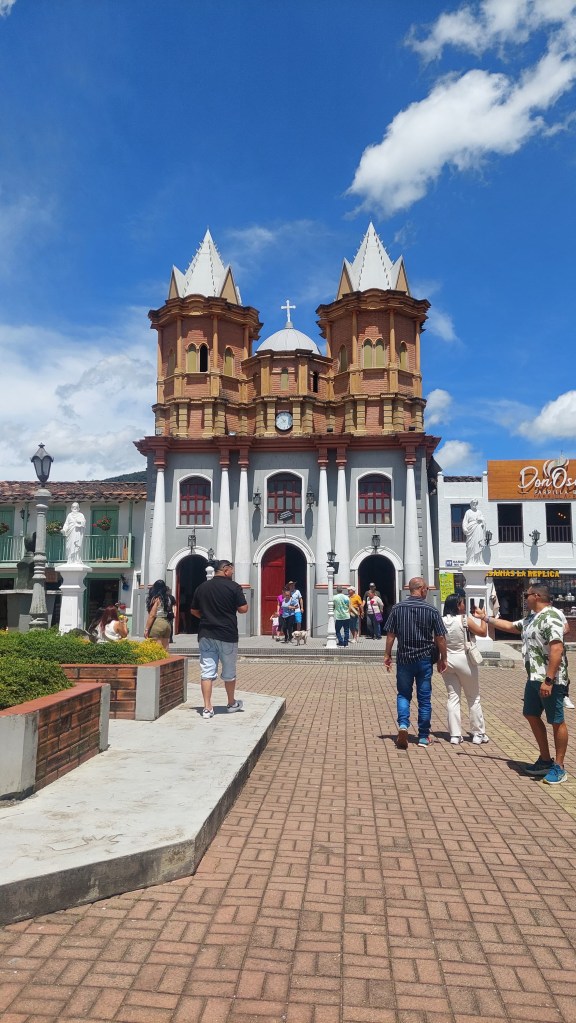

A less commonly known day trip is to visit Santa Fe de Antioquia. This colonial gem, just 1-1.5 hours from Medellín, is perfect for lovers of history and architecture.


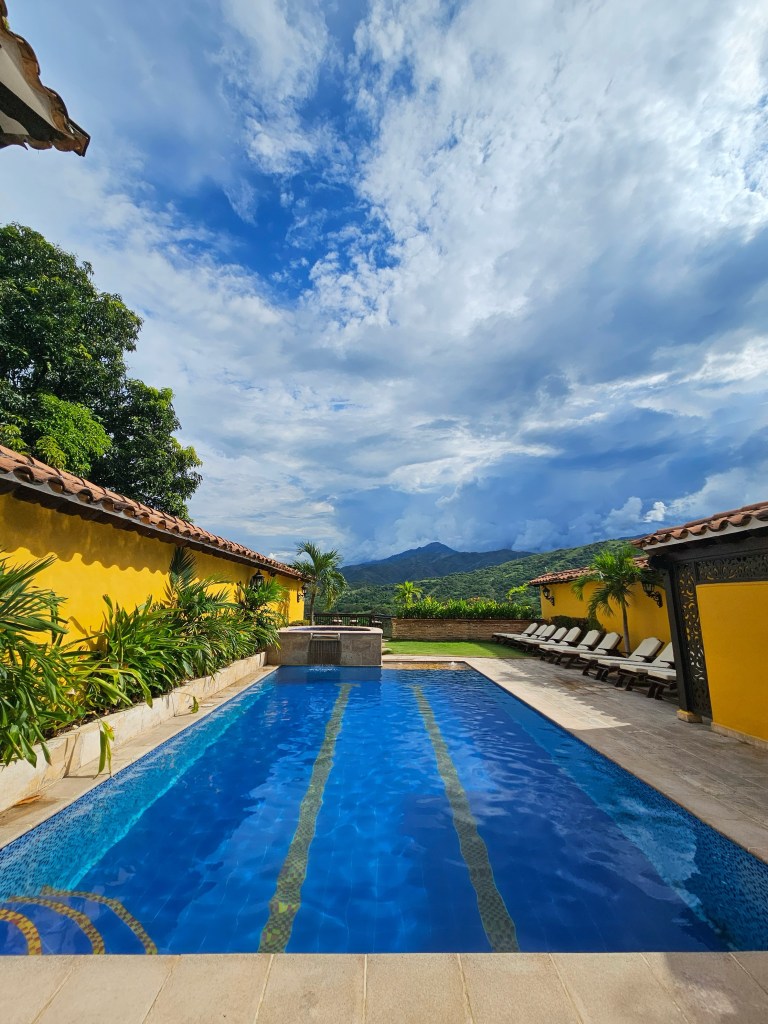
- How to get there: Take a bus from Terminal Norte or go by car. Note that it can be easy to get a rideshare car to Santa Fe de Antioquia, but you can expect to need to take the bus back.
- Highlights:
- Wander cobblestone streets and whitewashed buildings.
- Cross the Puente de Occidente, one of Latin America’s oldest suspension bridges.
- Enjoy hot weather and relax at a finca (country house) with a pool.
- It’s a slower pace, ideal for a weekend escape from the city.

Medellín is a city of contrasts, simultaneously modern and traditional, urban and green, fast-paced yet laid-back. Whether you’re hiking in the mountains, sipping artisan coffee, learning about its history, or simply chatting with friendly locals, Medellín has it all and offers a travel experience unlike any other. Do you have specific questions about Medellín? I’d love to answer them! You can contact me here or find me on IG at Active_W_Amber. Wishing you happy travels on your next adventure!

 The Ambitious Passport
This was amazing!! What a great job you did. So much detail. And thank you for adding me in your pictures.
LikeLike