When I started looking into traveling around Morocco for a couple of months, I had so many questions. Here I will give insight into certain parts of what to expect culturally, during your time in Morocco. If you are considering traveling to Morocco and have the same questions I did, this article is for you!


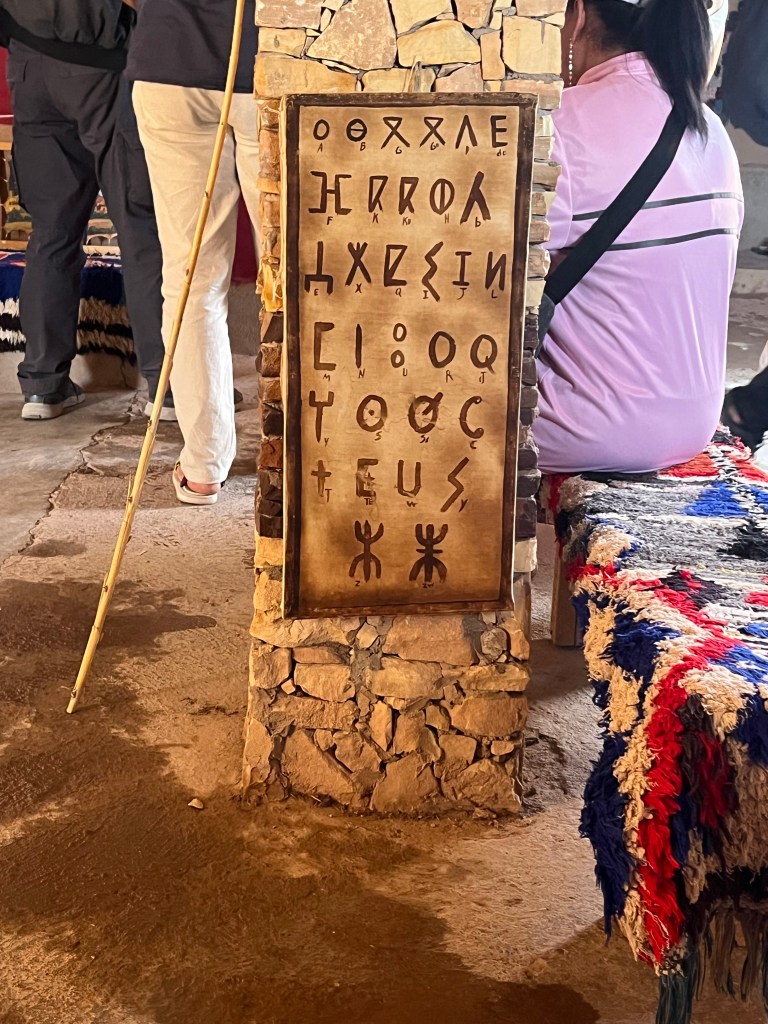
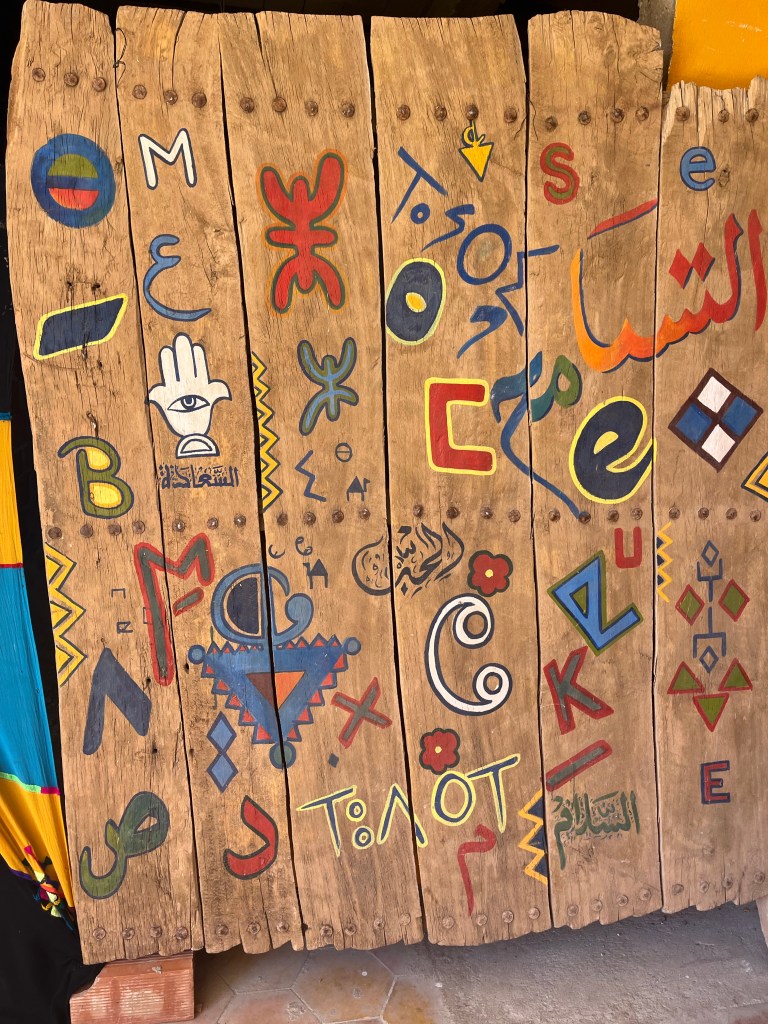
Communication: There are three main languages spoken in Morocco: Arabic (Modern Standard Arabic & Moroccan Arabic, called Darija), French, and Amazigh (the Berber language). You will find some people who speak English, but if you have any language skills in French, you’ll find a lot more of that.
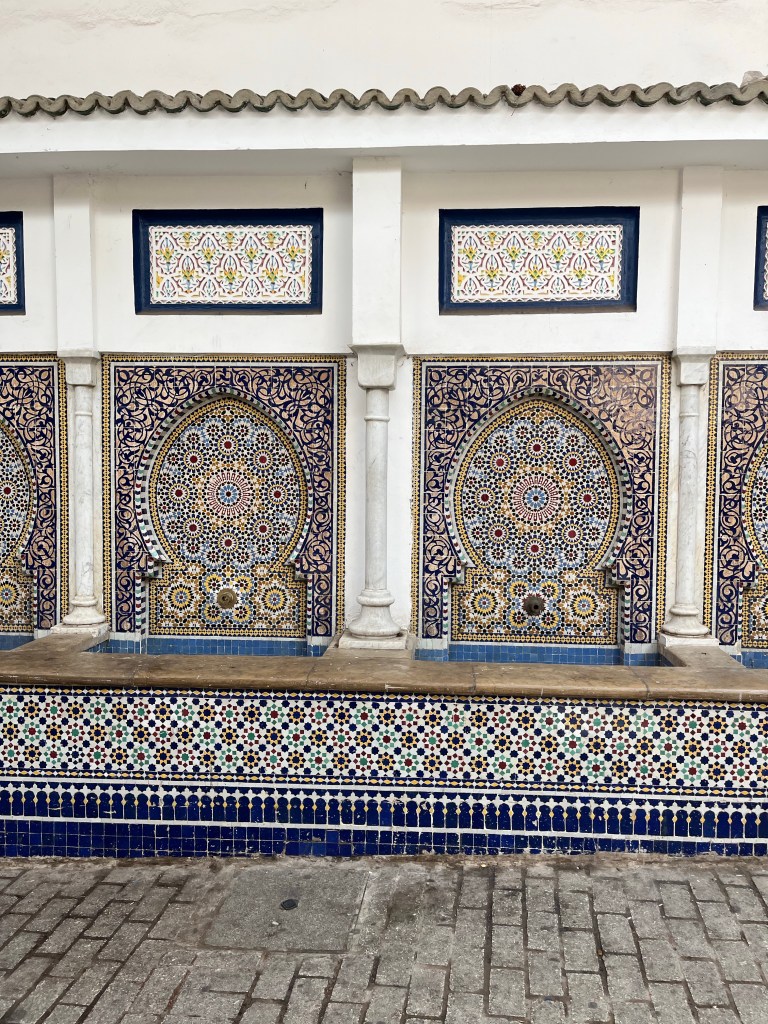
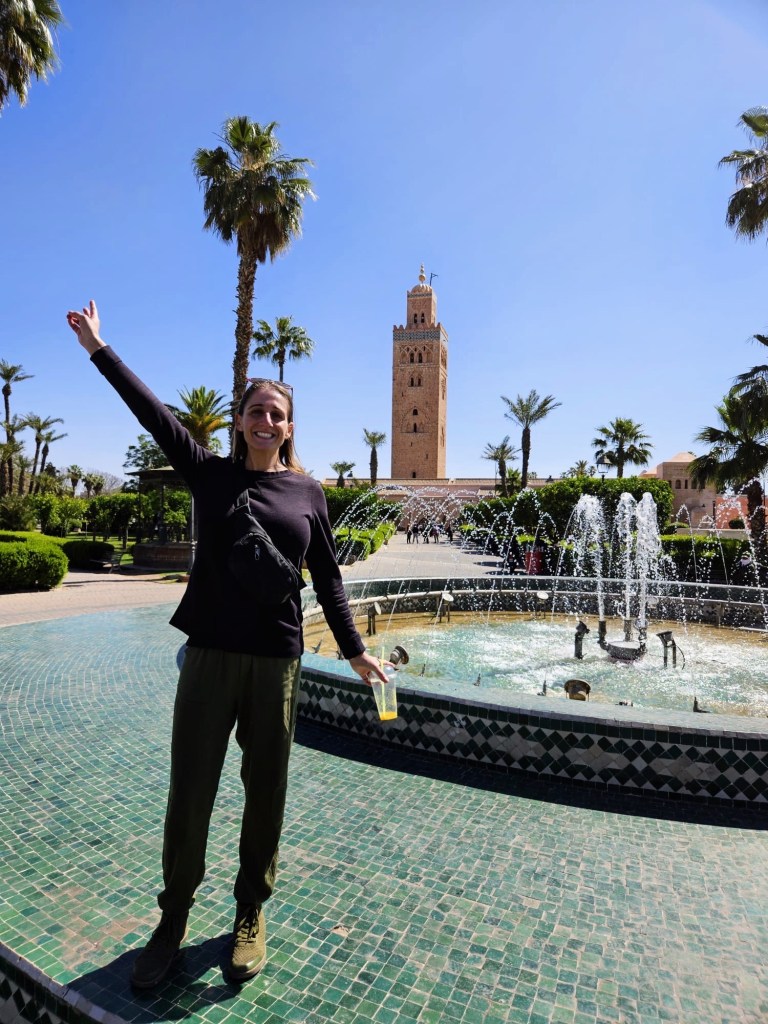
Clothing: Many people ask about how they should dress when visiting Morocco. When you visit, you’ll see locals modestly dressed, even if they are not wearing full-on traditional Islamic clothing. Aside from nudity, there are no specific laws relating to a Moroccan dress code, so you are not “required” to dress in any specific way. Despite this, my advice is to dress modestly, out of respect for local culture and traditions. This advice should especially be followed if you visit during Ramadan. Being covered from your knees to your neck is a good guideline to follow. Even on warm days in Marrakech, I wore long loose-fitting pants or skirts, and shirts that covered my shoulders. Dressing less modestly can cause you to be hassled negatively which you’d likely rather not have, however, it is fully your choice, and there is no hard rule or requirement.
Safety: Overall Morocco is considered safe for tourists. The Global Guardian analysts assess Morocco as a generally safe destination. The Moroccan government prioritizes tourist safety and boasts good security services. The most common issue you may encounter in Morocco is petty crime and pickpocketing, but things like aggressive assault, kidnapping, and terrorism are less frequent. In busy areas, you should be aware of your valuables, just as you should in any busy, dense, city. To avoid theft which would have a big impact on me, I only carry one of my credit cards and the amount of cash on me that I think I need each day and I never carry my passport book unless it is necessary.

Money: The official currency in Morocco is the Moroccan Dirham, and the official code is written “MAD.” Moroccan banknotes come in denominations of 20, 50, 100, and 200. Moroccan coins come in 1, 2, 5, 10, 20, and 50. ATMs are common throughout the country in moderately sized cities. When I travel I take cash out at the ATM every week or so, withdrawing in local currency, as my ATM card covers all foreign transaction fees. If you don’t have this option, bringing cash to exchange is fine too. When paying at small businesses and smaller restaurants in Morocco, cash is usually required; but you will find card payments are usually possible at bigger businesses, and mid to high-end restaurants, especially in tourist areas. Remember if you’re paying with a card, you should select the option to process the transaction in MAD, not your local currency, this will be the cheaper option for you.
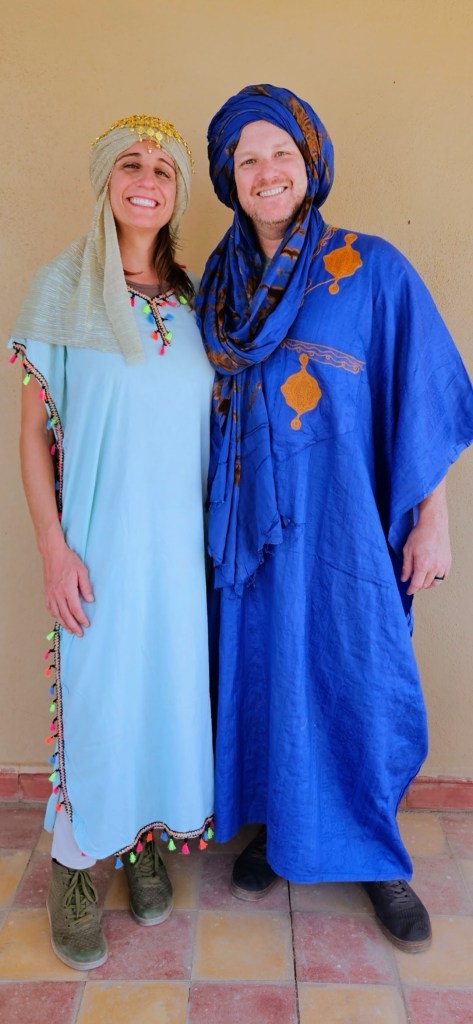


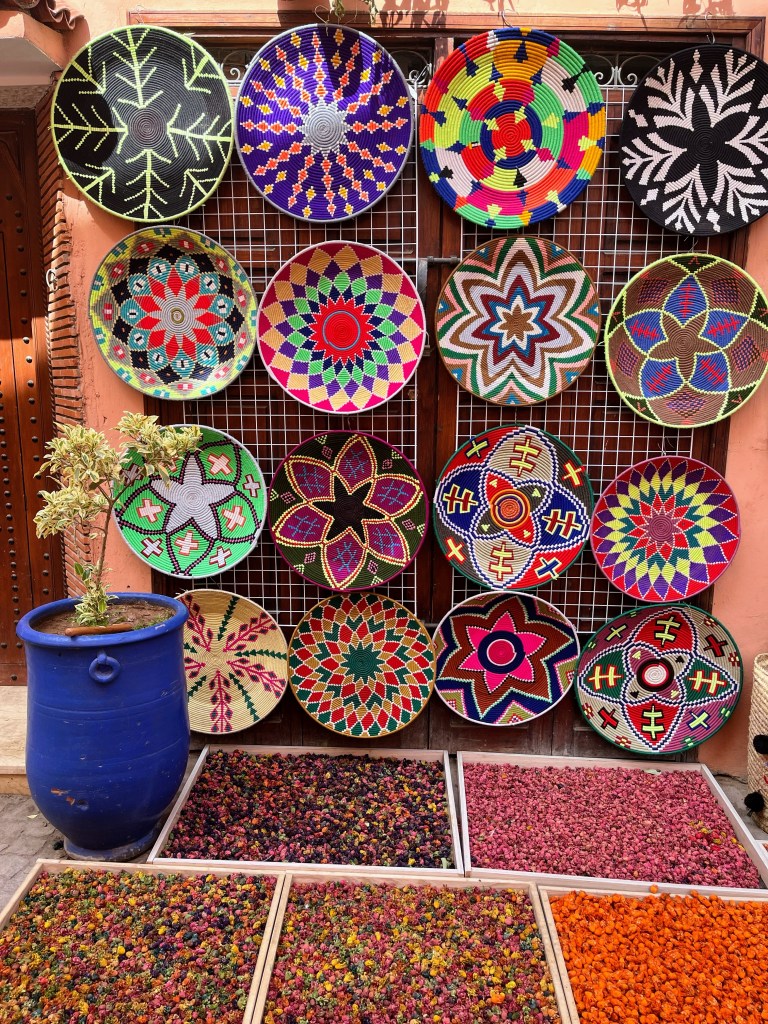
Market Shopping: Markets in Morocco are called “souks,” and they are all over the country. There are countless souks where you can find amazing products that would likely cost more in your home country. Sometimes prices are clearly marked, and sometimes they aren’t, but they are always negotiable. A guide we met in Marrakech told us to go by this rule of thumb: if the price is listed you should expect to get the vendor to come down 10%, and if the price is not listed you should expect to be able to get them to come down 50-60%. When you’re browsing around, don’t express too much excitement for any one item, when the vendor knows you’re overly interested, your purchase price automatically goes up. And remember that it is not rude to walk away, no matter if that is part of the game of hoping they will chase you and lower the asking price, or because you are truly not interested.
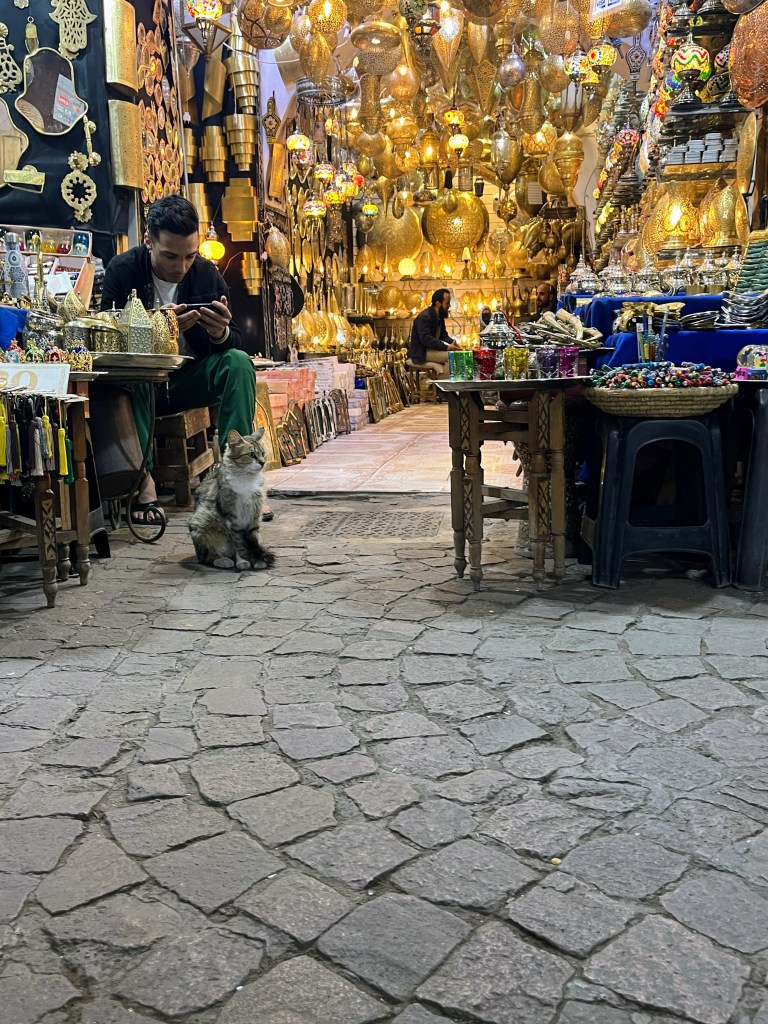

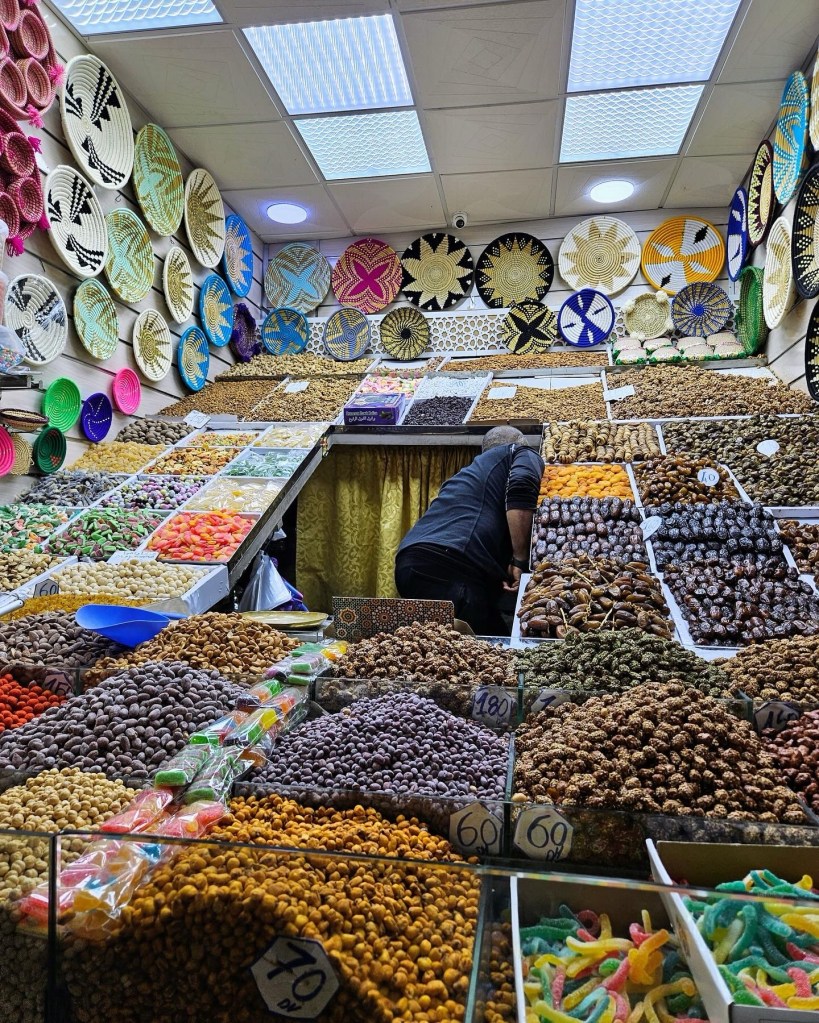
One common souk scam to be aware of, particularly in Marrakech, is people saying they are “official guides” or simply posing as a “helpful local” offering you assistance to find your destination: they lie and tell you a road or area is closed, then offer to help guide you there through a different route, and firmly request money on arrival. The scam here is that the original way you were walking is not closed, and you would have been fine walking the way you already were. Firmly ignore these “friendly” offers. Don’t even say no. Just completely ignore them and keep walking.
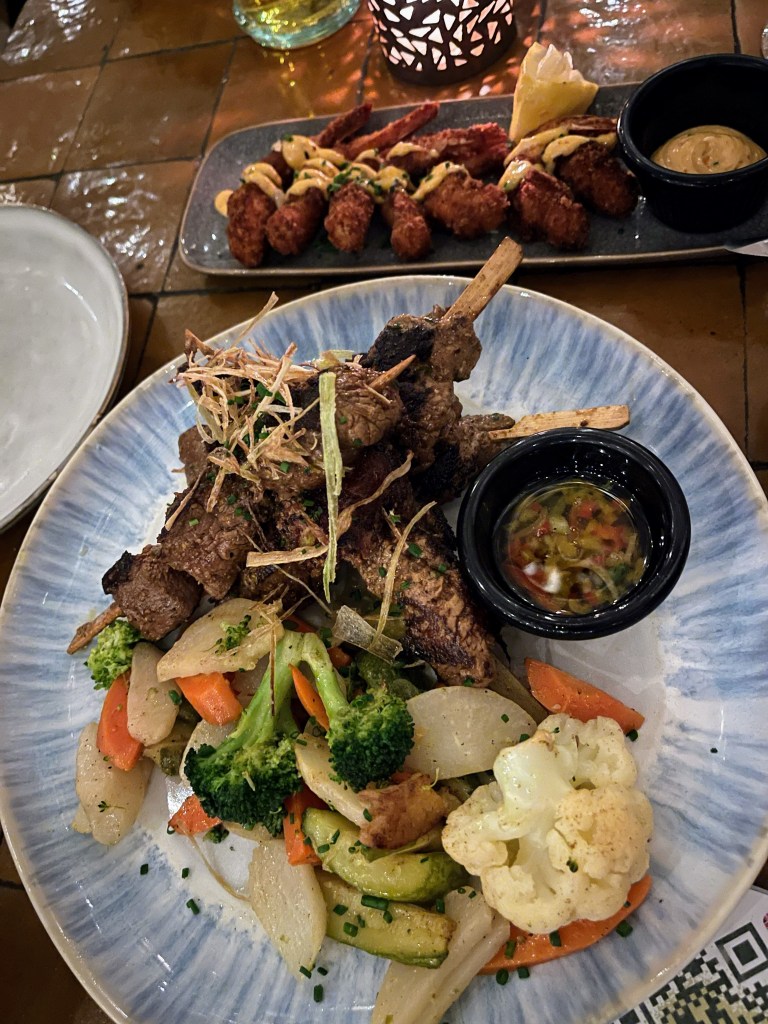
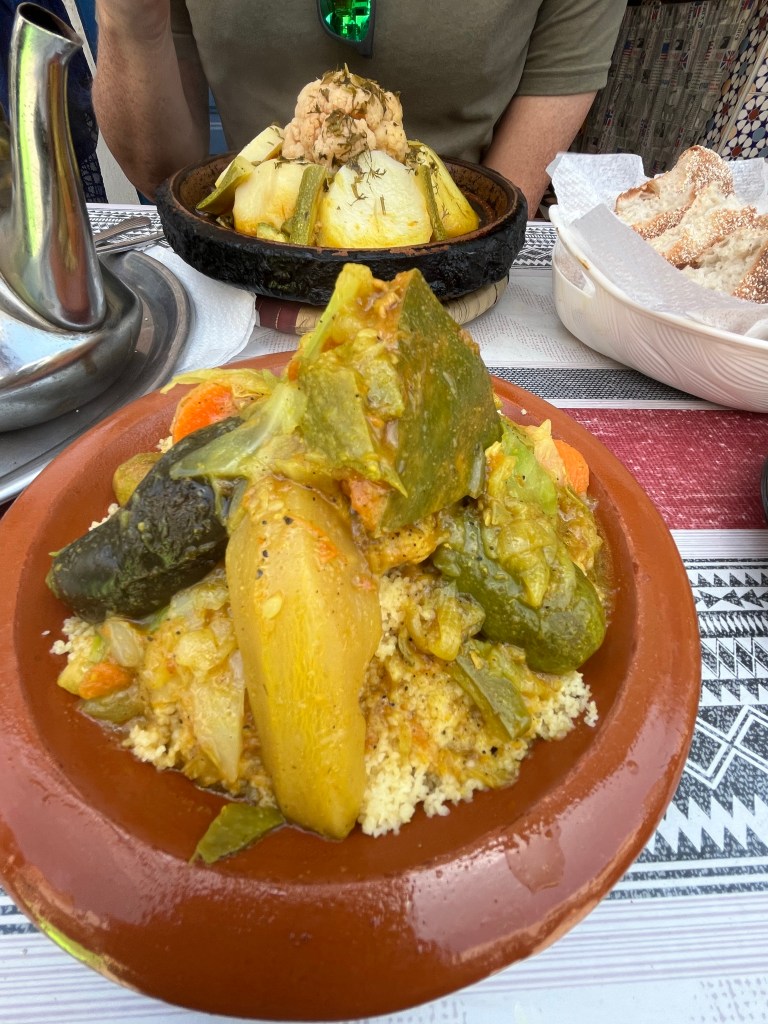
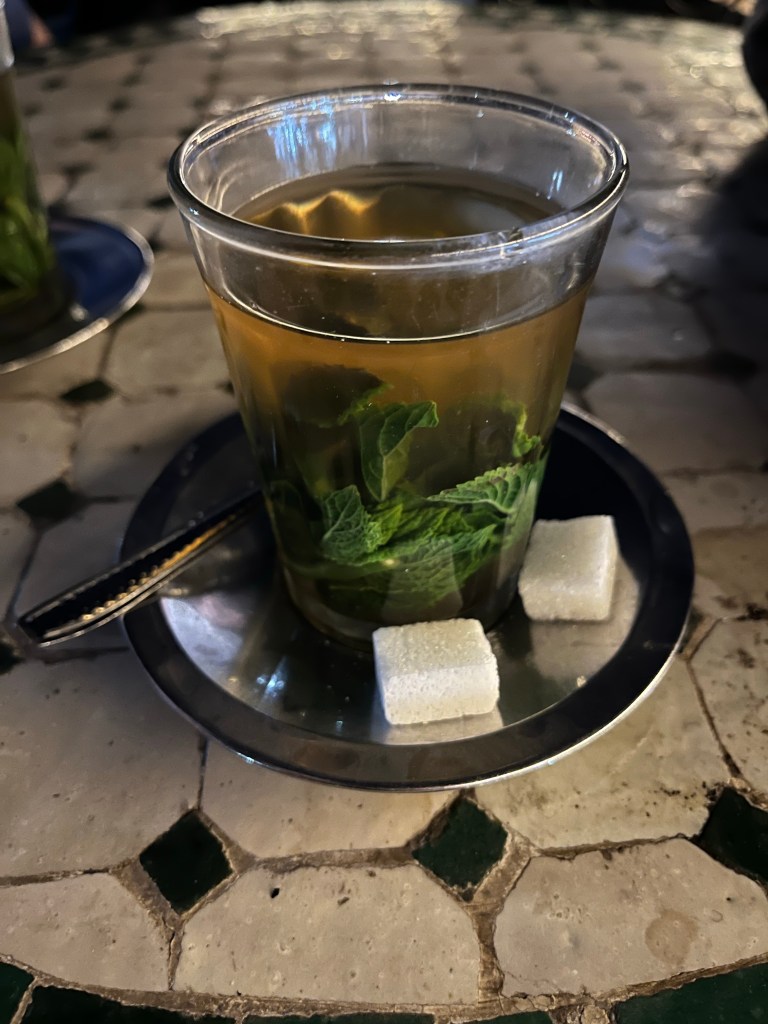
Food: The richness of Moroccan food has Morocco in the top rankings of the world’s gastronomic destinations. Moroccan cuisine is a mix of Berber, Arab & Mediterranean cuisines with a touch of European influence. Moroccan food is flavorful but not generally spicy, and while meats are found in most meals, vegetarian options are not hard to come by. Common traditional dishes in Morocco include couscous, tagine, and brochettes (similar to a meat kabob). Mint tea is a staple beverage throughout the country, and freshly squeezed juices are commonly found as well.

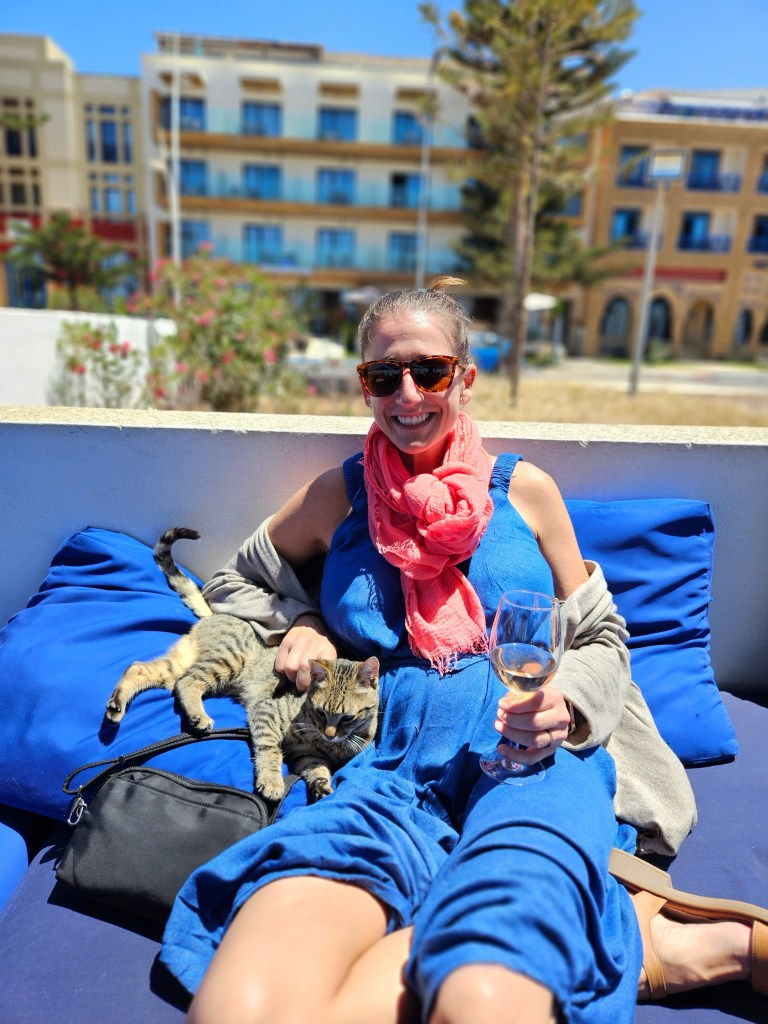
Alcohol: Both the production and consumption of alcohol are permitted in Morocco, however, there are strict regulations in place. Only licensed establishments such as bars, hotels, and some restaurants are allowed to serve alcohol, and while stores selling alcohol exist, they are not plentiful. Often licensed bars will not have windows, because while drinking is allowed, you are not allowed to be visible drinking alcohol to people outside. Bars and restaurants that allow drinking outside are more common in coastal cities, but only foreigners are allowed to drink in these establishments where patrons are visible to the public. Drinking your own alcohol in public places like parks, beaches, and sidewalks is never allowed, even for foreigners.
Romantic/Sexual Norms & Expectations: I’ve had a lot of people ask me various questions about the norms and expectations around dating and sex in Morocco, so I’m going to cover some of those here.
- Q: Can I spend the night with my partner in Morocco if we are not married? A: It is illegal for non-married couples to share a room if either partner is Moroccan. This law does not apply to foreign visitors when both partners are foreign. If neither you nor your partner are Moroccan, and you are unmarried, you may still spend the night together, and engage in sexual activities, should you choose. For mixed Moroccan- Foreign couples, you will be asked to present your marriage certificate when checking into any rooming situation, as they are required to provide this information to the police and will be heavily fined if they rent to an unmarried couple where one or both partners are Moroccan. Note that some establishments may still not allow unmarried, non-Moroccan couples to share a room, but that is their choice, not the law. We did have our Airbnb’s request to know our marital status before allowing us to book with them, but we were never asked to provide proof.

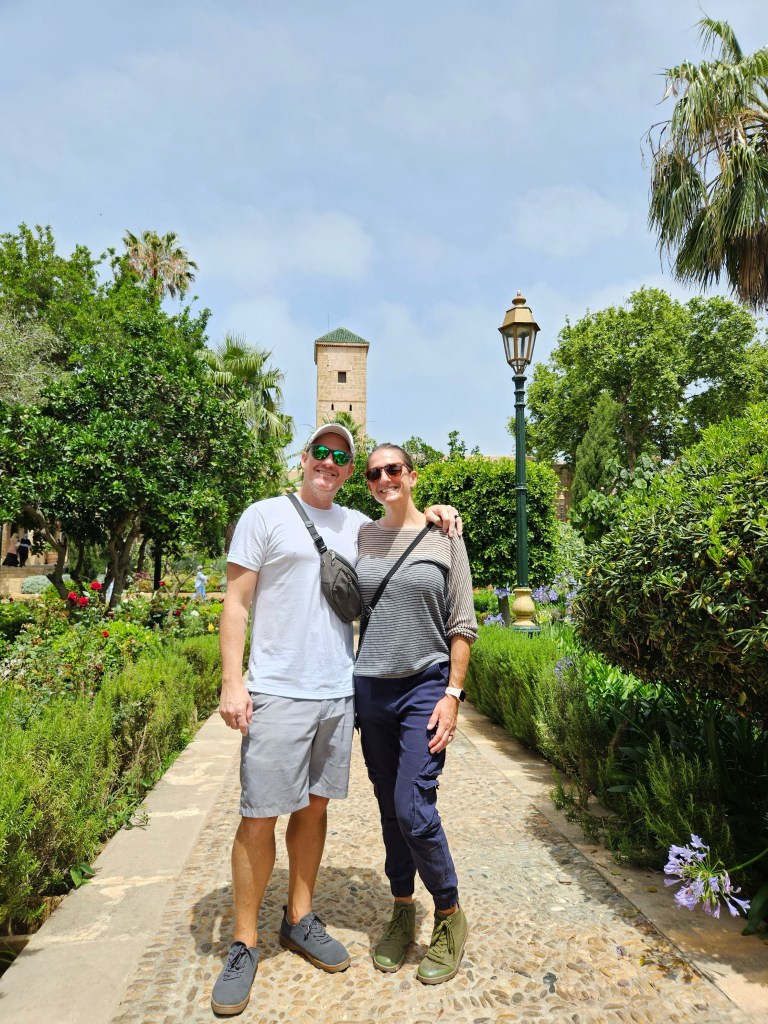
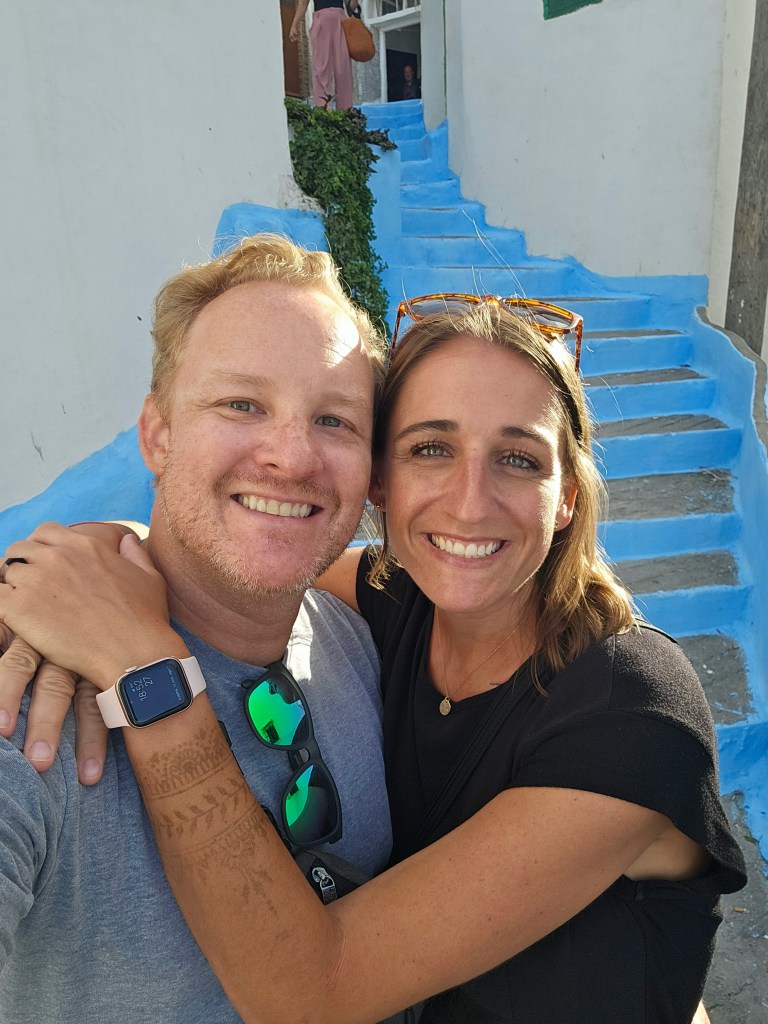
- Q: Is Morocco safe for LGBTQ+ individuals? A: Despite being an Islamic country where homosexuality is illegal and punishable by law for locals, Morocco remains a popular destination for LGBTQ+ travelers. If you identify as LGBTQ+ Morocco is still a safe country to visit, but it is advisable to exercise appropriate caution (like avoiding PDA) as you explore the country. Compared to its neighboring European countries, people in Morocco have different legal and societal barriers. Homosexuality is viewed as a “threat to traditional values” by people who support the expectation of heterosexual norms and Muslim teachings. Despite this, it is known that in major cities like Tangier, Marrakech, and Agadir there are many LGBTQ+ friendly establishments. In Morocco, you are likely to see Moroccan men holding hands with men, and women with women, but this is not a sign of romantic partnership, it is a sign of friendship.
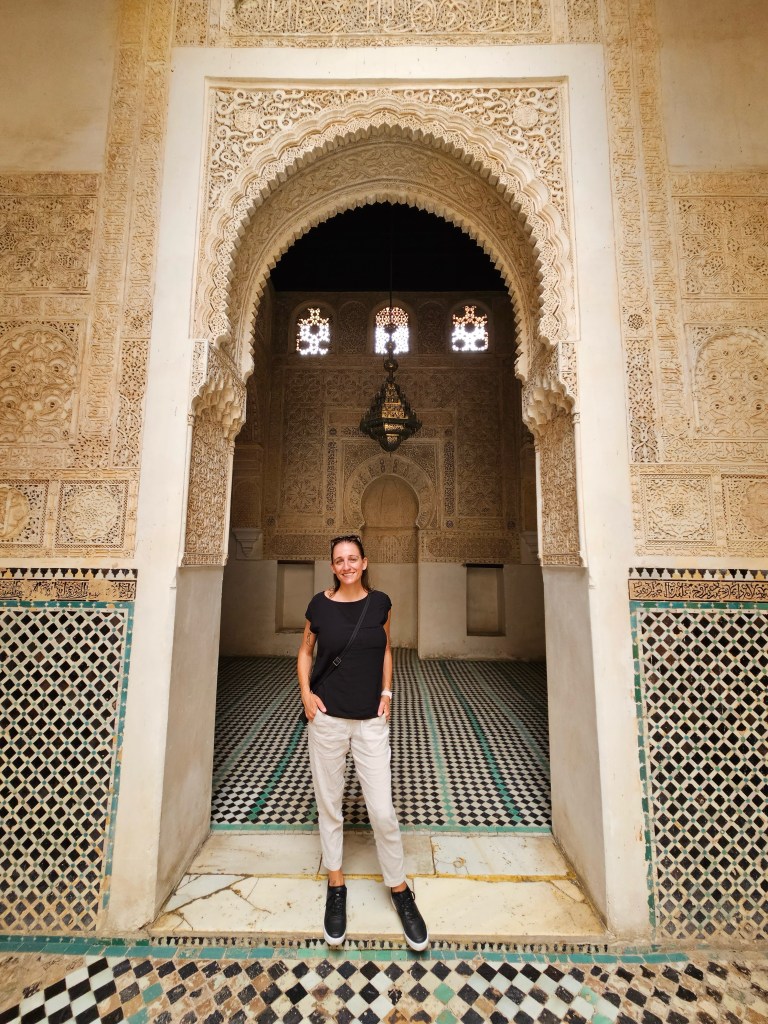
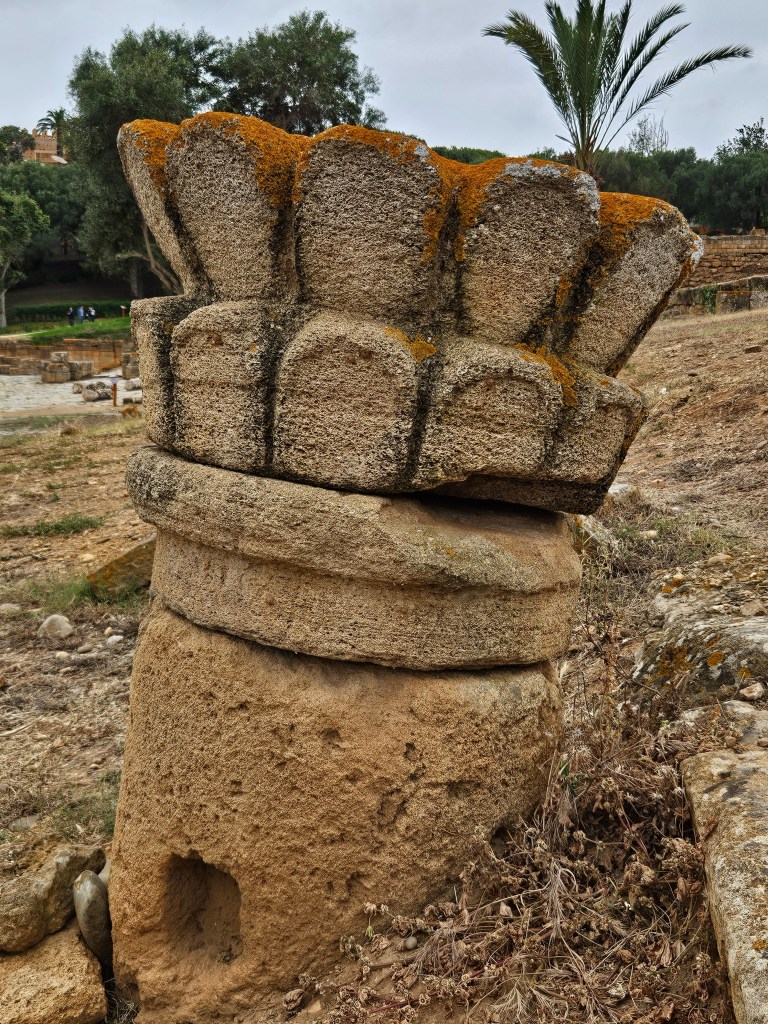

- Q: Are public displays of affection acceptable in Morocco? A: Strong public displays of affection in general are frowned upon. Morocco has laws that relate to things that are considered “an act of aggression against Moroccan Muslim society and people,” and unmarried couples kissing in public falls into this category. While these laws are very rarely enforced, and would not affect a couple where neither partner is Moroccan, it is still frowned upon to kiss or fondle each other in public. Morocco has become more liberal in recent times, but views on public affection remain conservative. Out of respect for the religious and cultural norms, and everyone’s comfort, it is best to keep public displays of affection to a minimum. By keeping things to a minimum I mean that a short quick hug, holding hands, or a quick kiss are acceptable, but making out, deep kisses, and hanging or lying on each other, are not. Important to note that if you visit during Ramadan, you should refrain from ALL public displays of affection, even simple handholding.
I hope that this post has helped answer some of the questions you have about traveling to Morocco! Here is a post about Marrakech specifics and you can find information about Rabat and Essaouira on my website as well. If you have any other questions you’d like answered or subjects you’d like me to write about, you can tell me here. Happy Travels!

 The Ambitious Passport
A complete guide about how to handle Morocco. Extremely helpful. Cute pictures by the way.
LikeLike